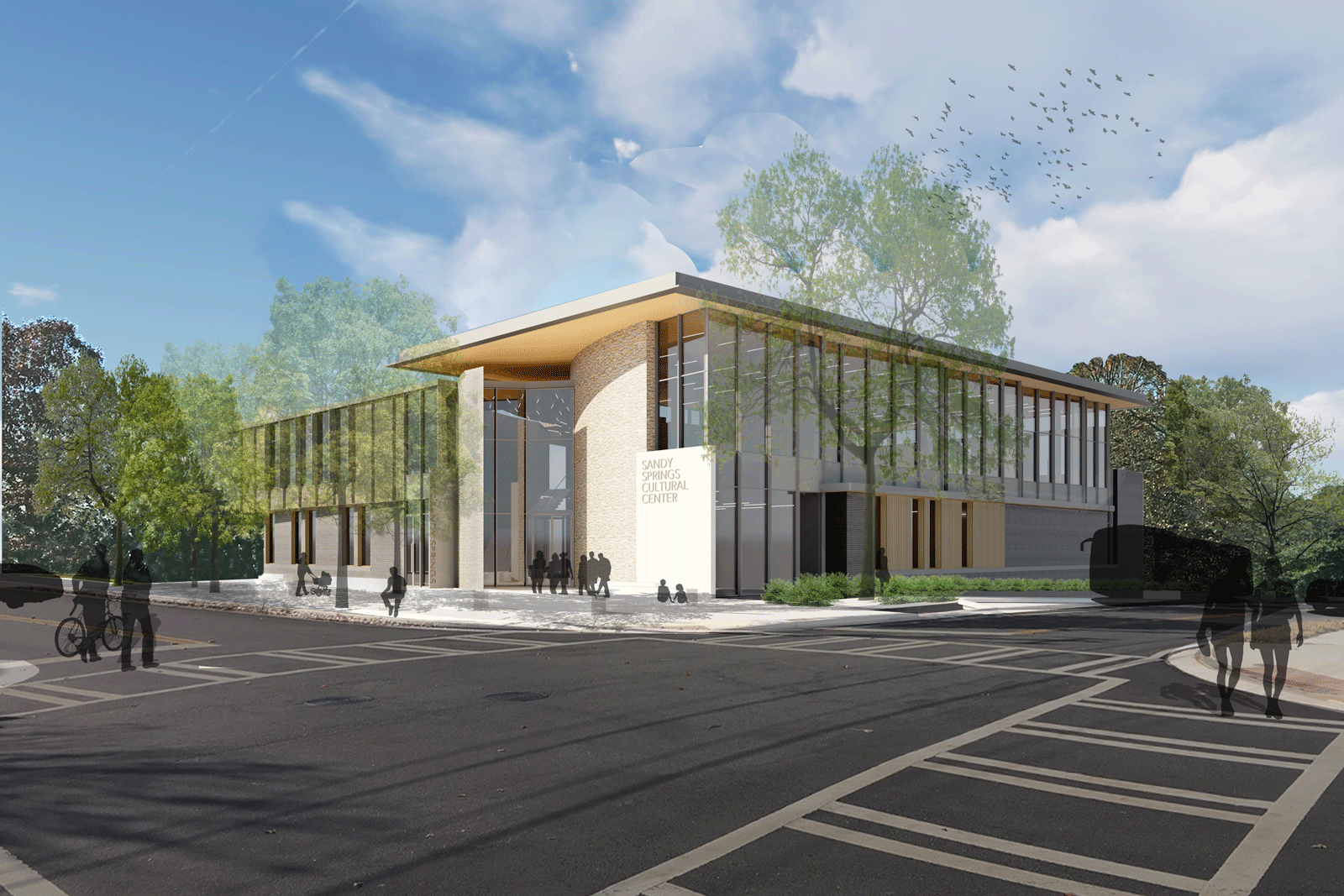
Sandy Springs Cultural Center
Uniting the arts and history at the edge of the city and the garden
In 2016, the city of Sandy Springs opened the first phase of its new downtown with it’s City Center project, creating a new City Hall and incorporating a new performing arts center. As part of phase two, the City subsequently initiated a design competition to create a new venue, centered around the visual arts and history, to expand their arts related programming.
Houser Walker Architecture was selected for the clarity of our vision rooting different strands of history and today in a cornerstone of the City’s identity as being connected to nature. Our narrative expanded the City’s desire to have a multi-functional, gallery-based facility by strengthening connections between downtown Sandy Springs and the Heritage Green park space.
Anchor users for the facility include the Georgia Commission on the Holocaust, which houses a variety of exhibits and educational outreach programs, and rotating galleries that can accommodate traveling and local visual arts and interpretive exhibits.
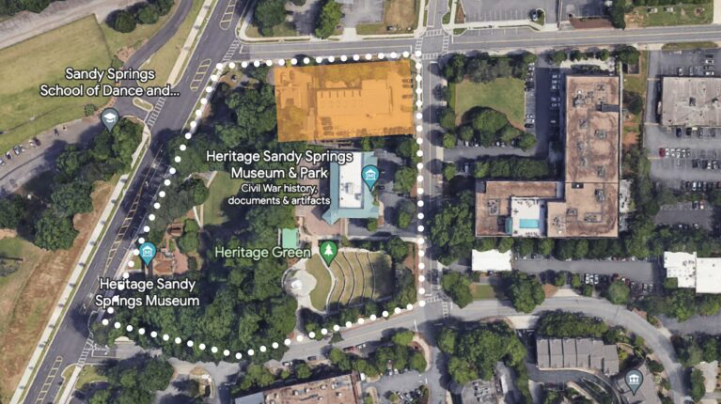
Over the course of four years, Houser Walker Architecture developed two primary schemes, located on adjacent sites. Each scheme connected the rapidly changing downtown to the facility’s programs and landscape in different but similar ways.
Client
City of Sandy Springs, GA
Location
Sandy Springs, GA
Status
Unbuilt
Size
18,500 sf
Collaborators
Phase 1
Hillworks, Long Engineering, Shear Structural, Flippo
Civil Design, Integral Group, TSAV, Gabler Youngston
Phase 2
Buro Happold, Koons Environmental Design, Shear
Structural, Flippo Civil Design, Certified Professional
Estimators, J&A Engineering, Gabler Youngston
Tags
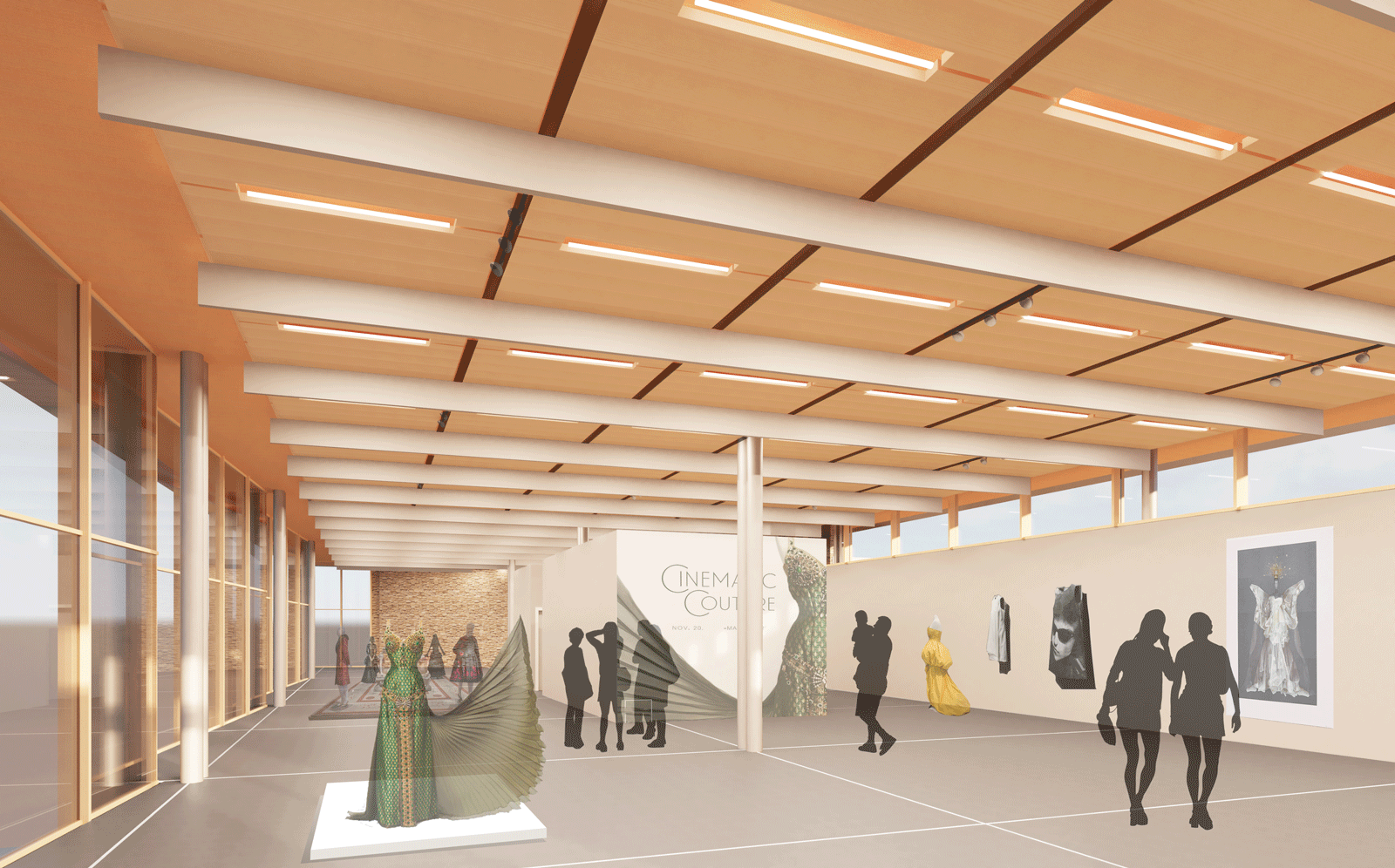
Subsequent to this effort, a decision was made to remove the office suites and create a gallery driven amenity to the immediate south, replacing a small building that had formerly housed a lawn care shop.
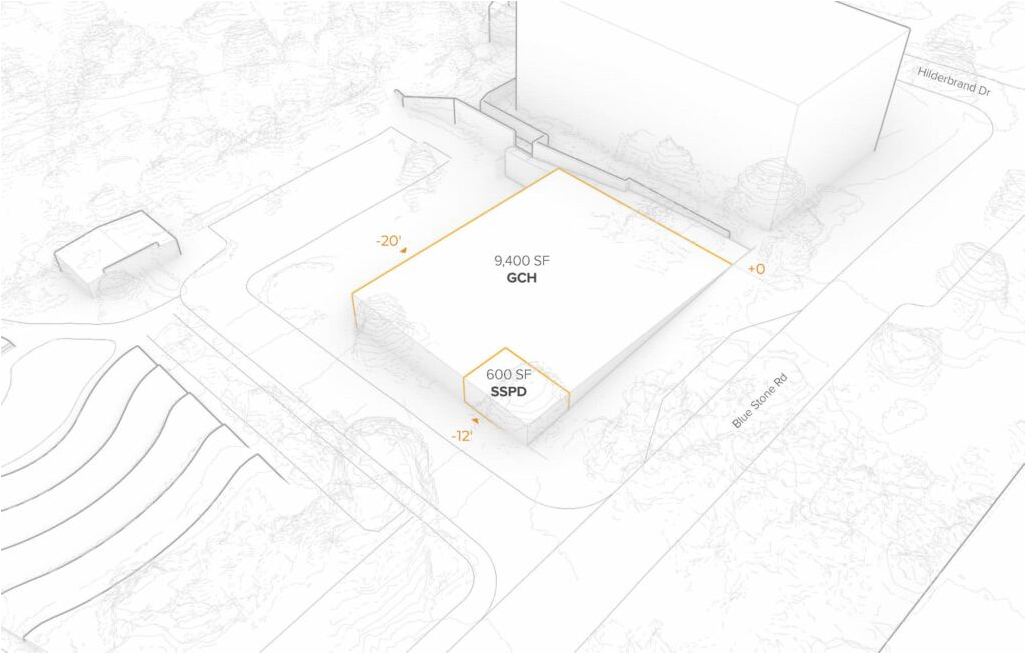
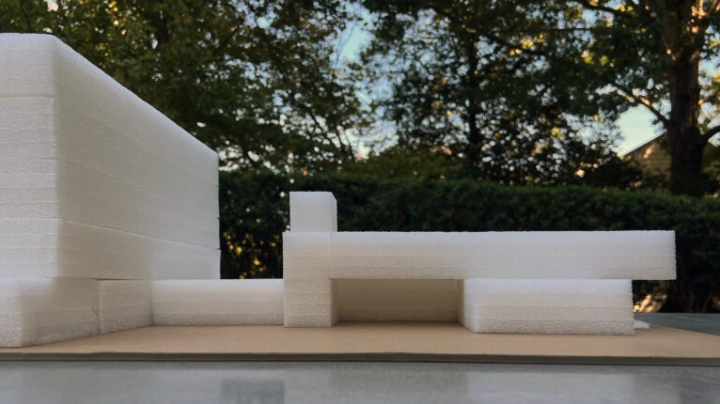
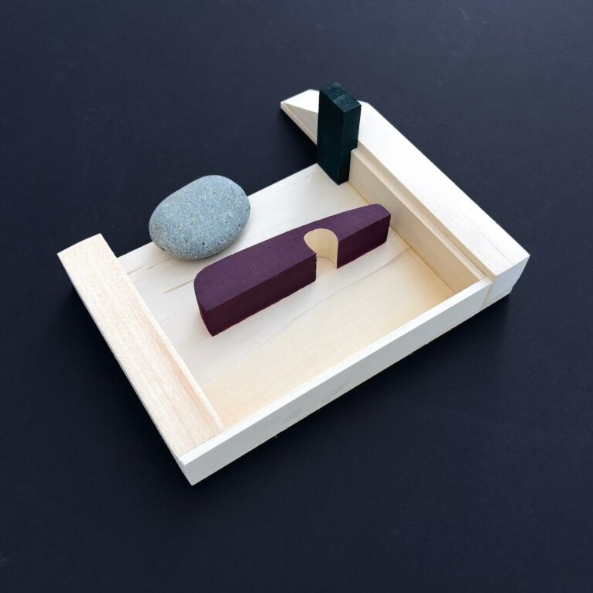
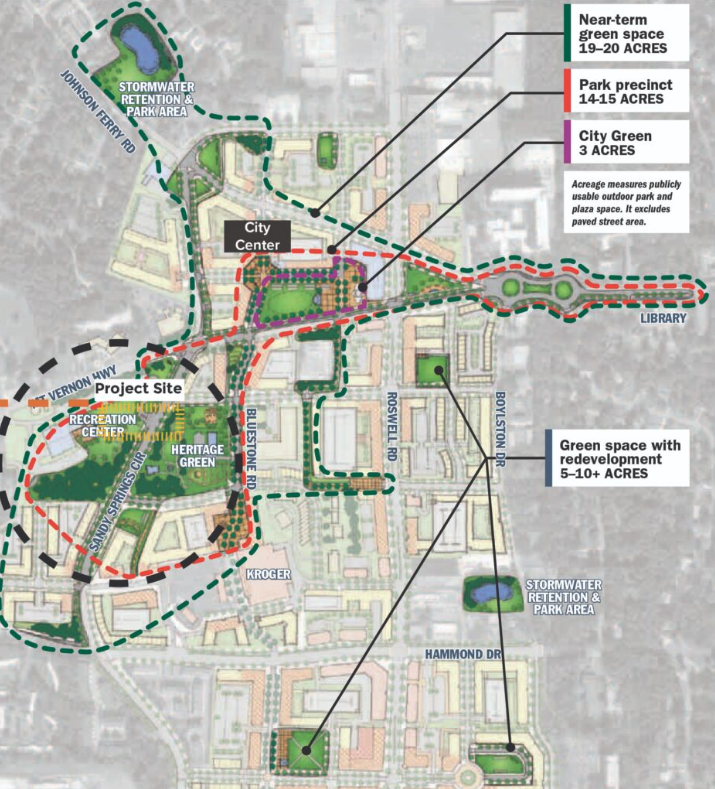
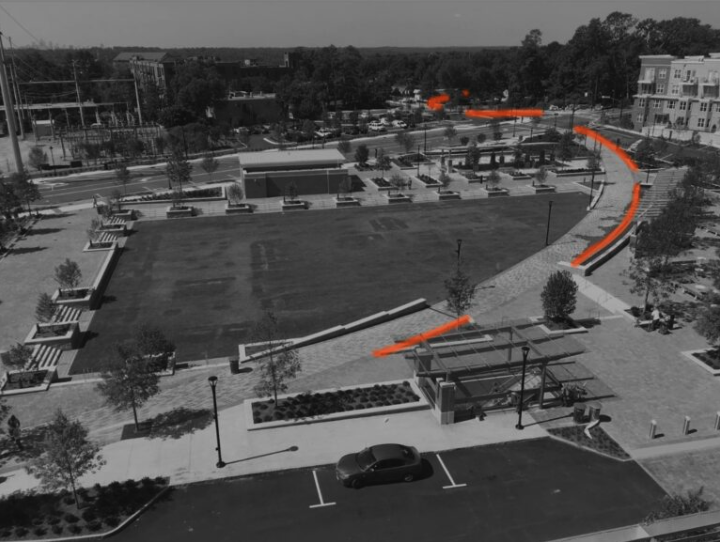
The City’s long term planning direction had emphasized maintaining the existing Green as a central open space.
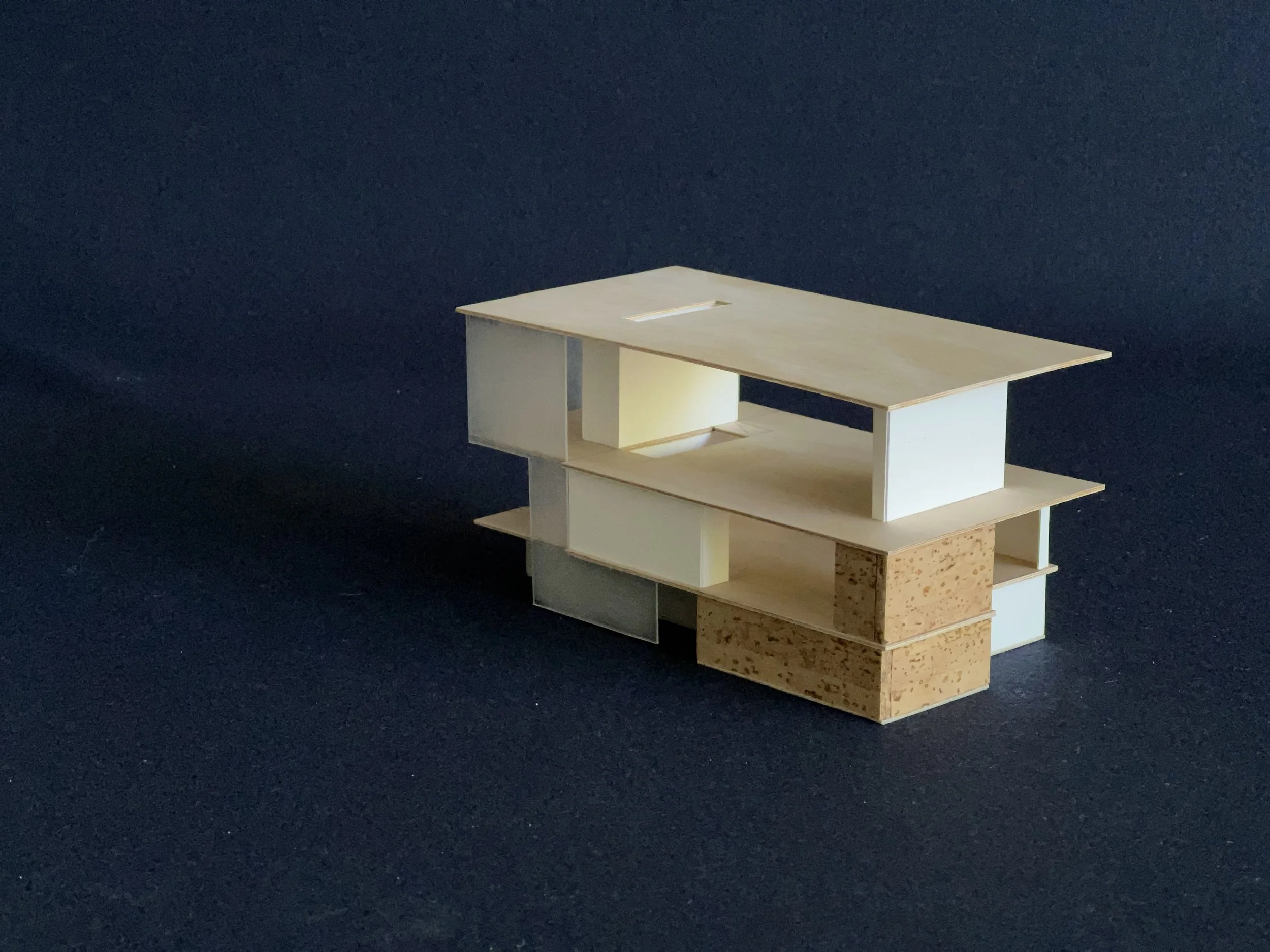
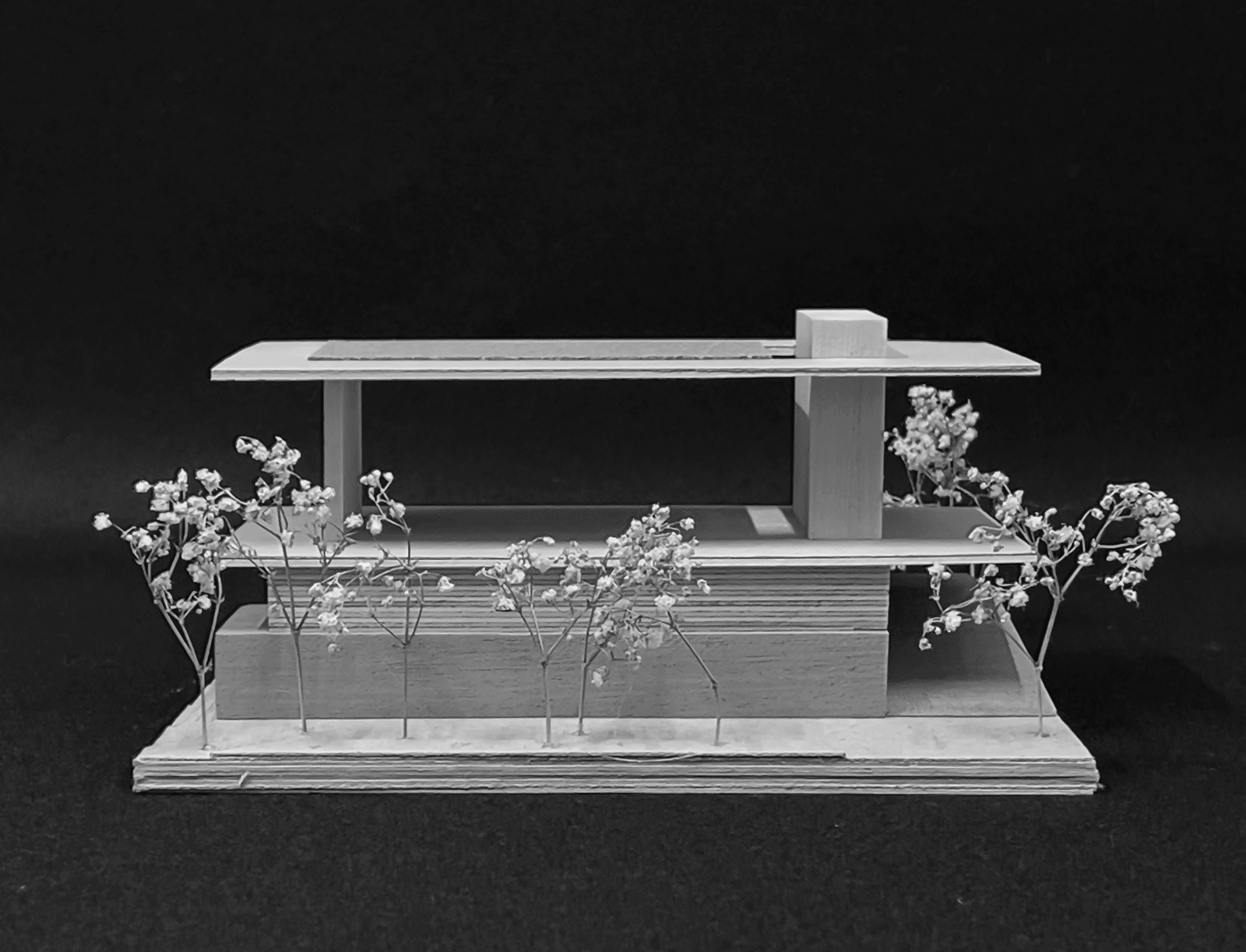
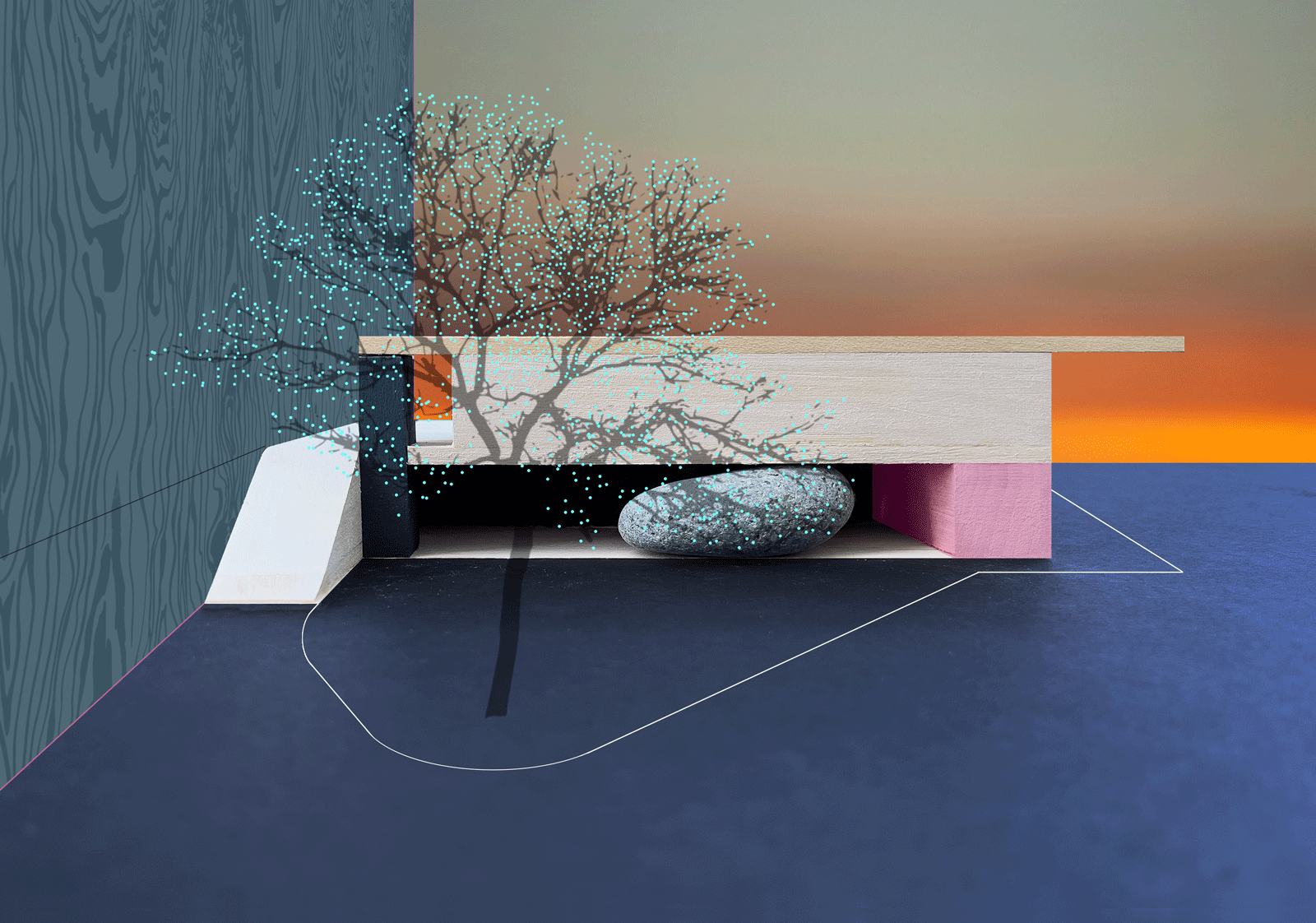
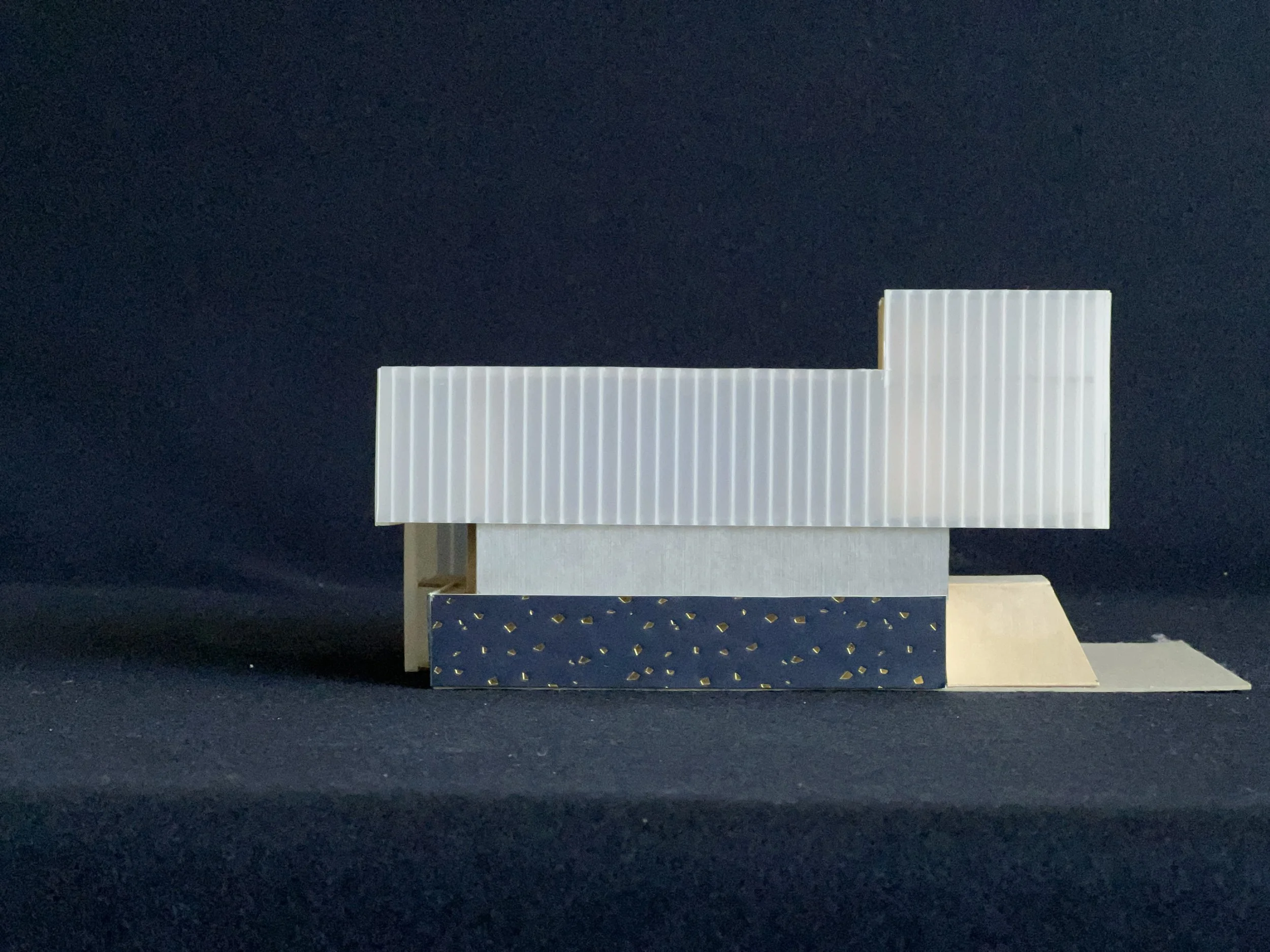
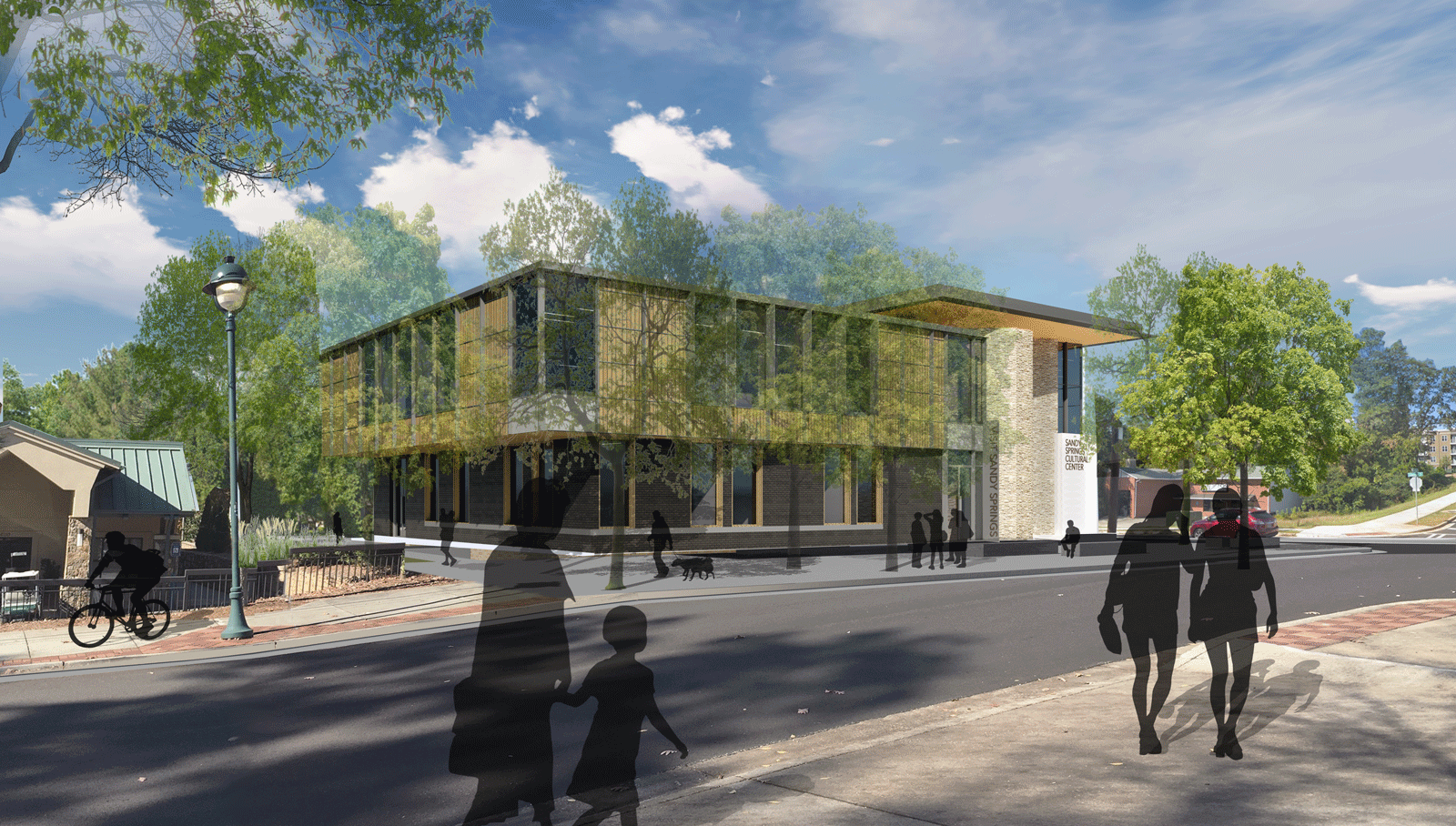
During the competition phase, we articulated two themes that became touchstones for all of the subsequent work. The first was to create a vertical edge that speaks to a more nuanced urban downtown and also preserves as much open space as possible.
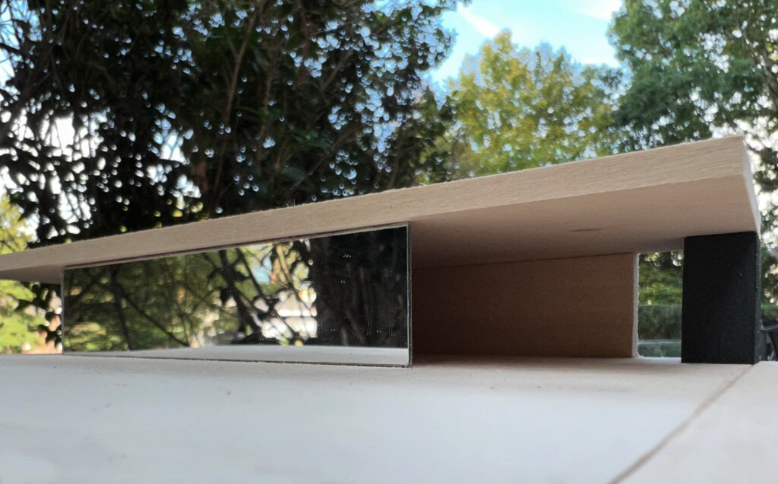
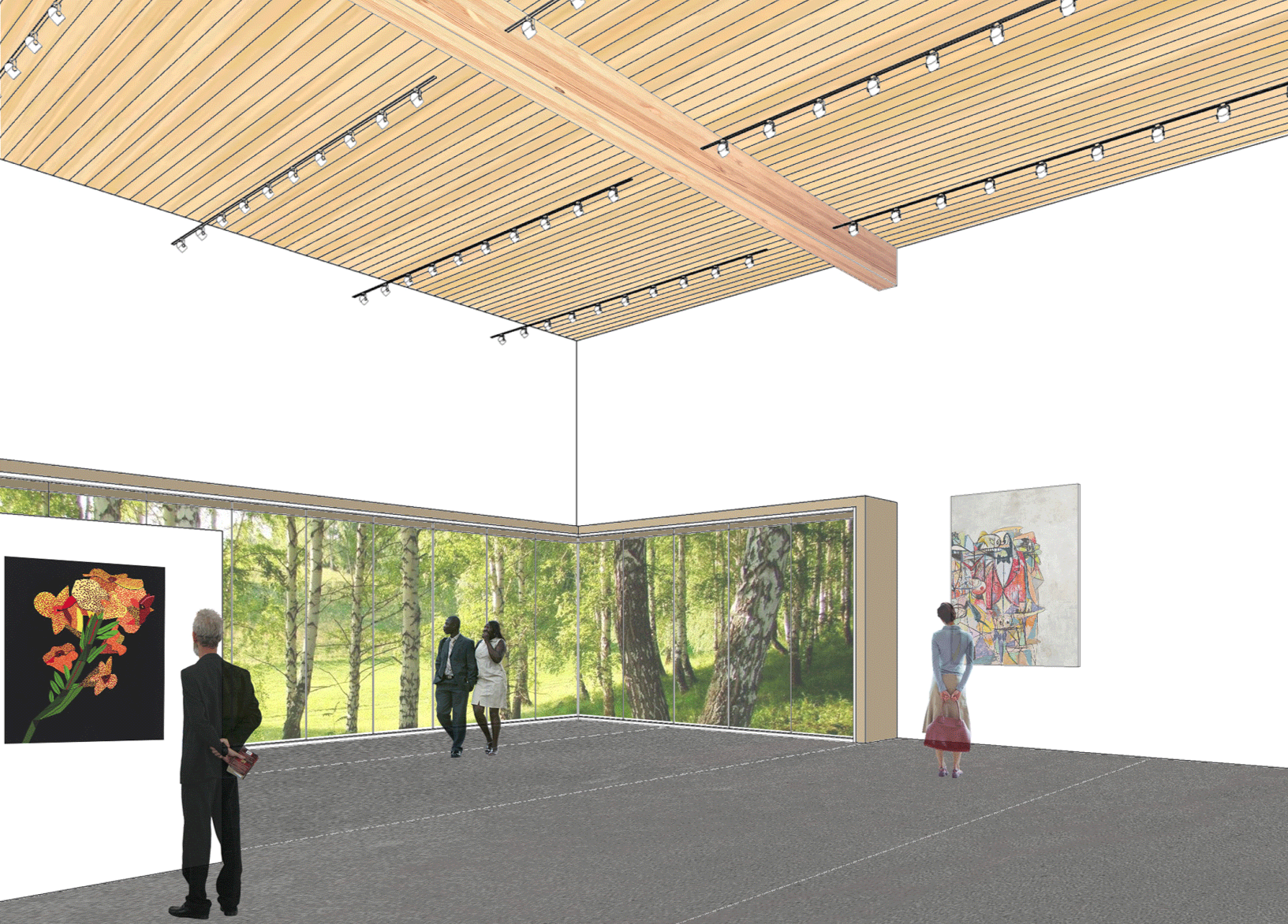
The second concept was to bring the garden into the gallery. We saw the experience of the park as an integral part of programming the gallery spaces.
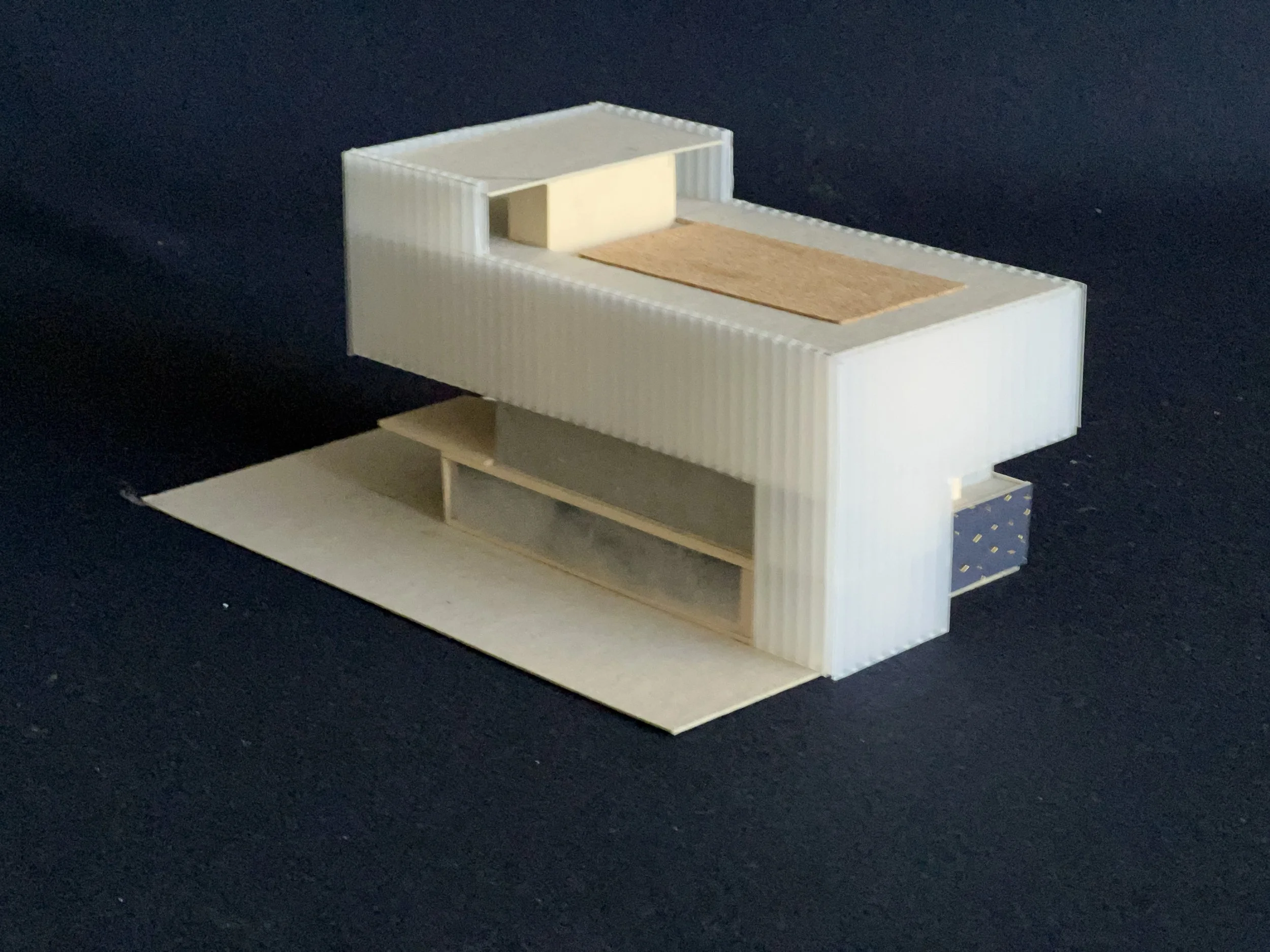
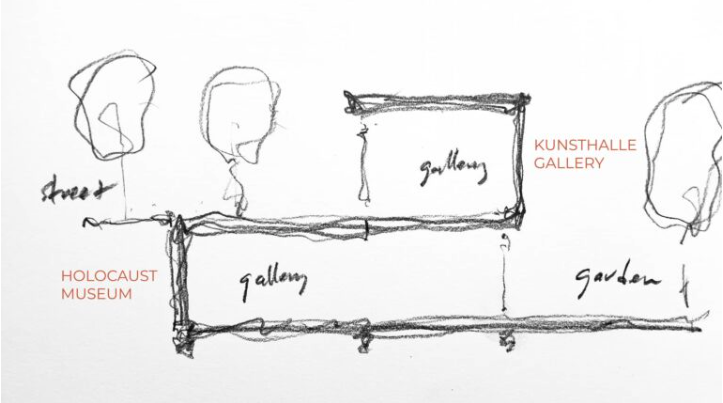
The initial design housed four distinct programs: Space for the Georgia Commission on the Holocaust; two,
4,000 sf kunsthalle-type galleries; and two separate smaller office suites.
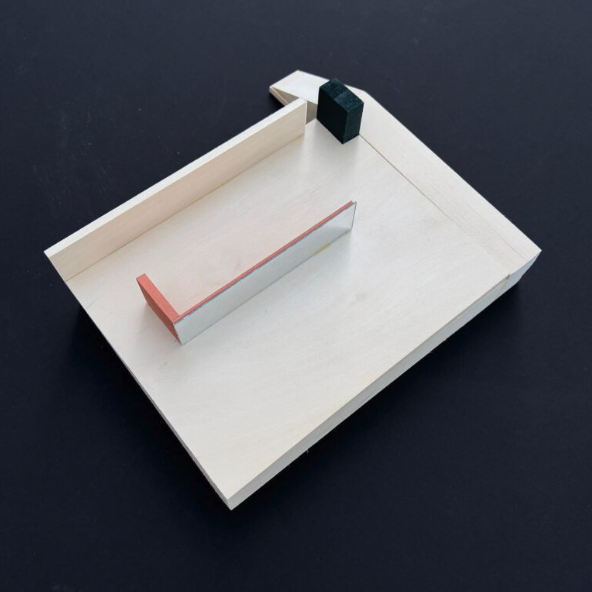
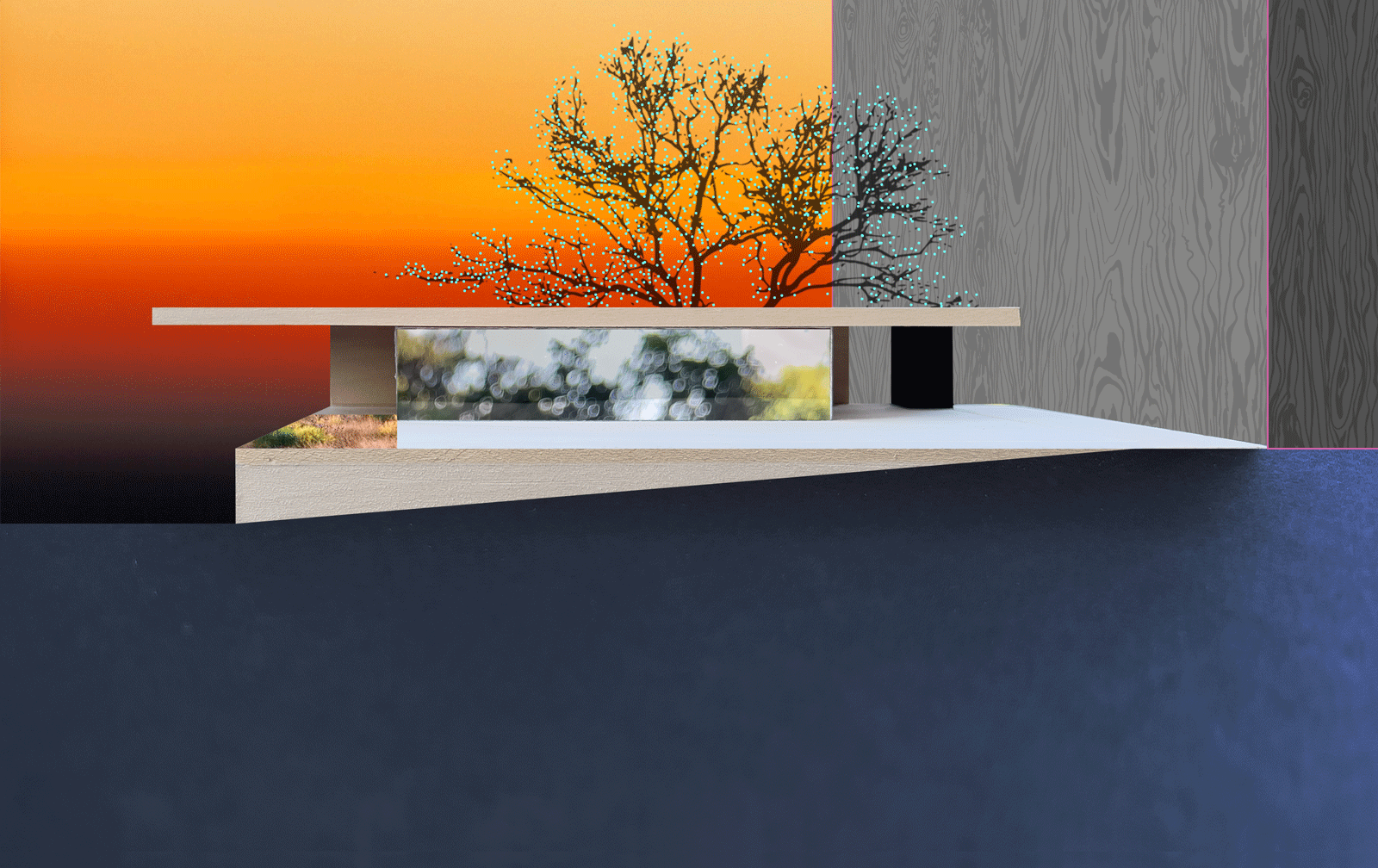
Based on a vision of connecting culture to nature, the architectural character of the Center incorporates numerous local materials hewing close to their raw, extracted state, mass timber framing, and stainless steel and zinc panels finished to incorporate highly polished, mirror-like surfaces or reflective applications of patination.
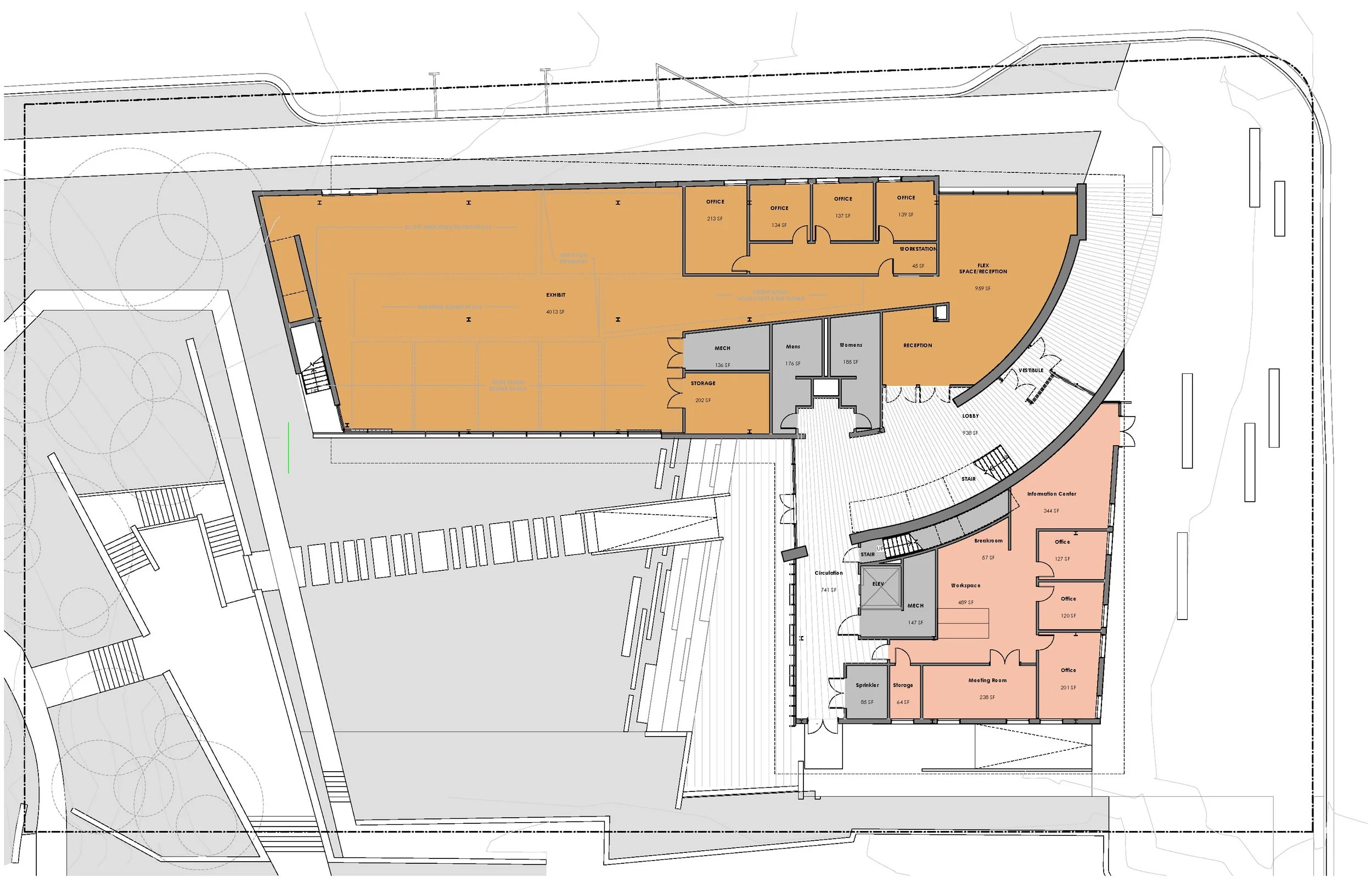
We sought to connect the site to the nearby Town Center by building off an existing arc slicing through that site, and then reconnecting that arc through the central lobby of the Cultural Center.
Containing an outdoor amphitheater and a separate lawn that hosts weddings and other events, the initial building site housed a small auto repair shop.