Robinson Nature Preserve N.E.S.T
Embodying an ecologically considered resiliency.
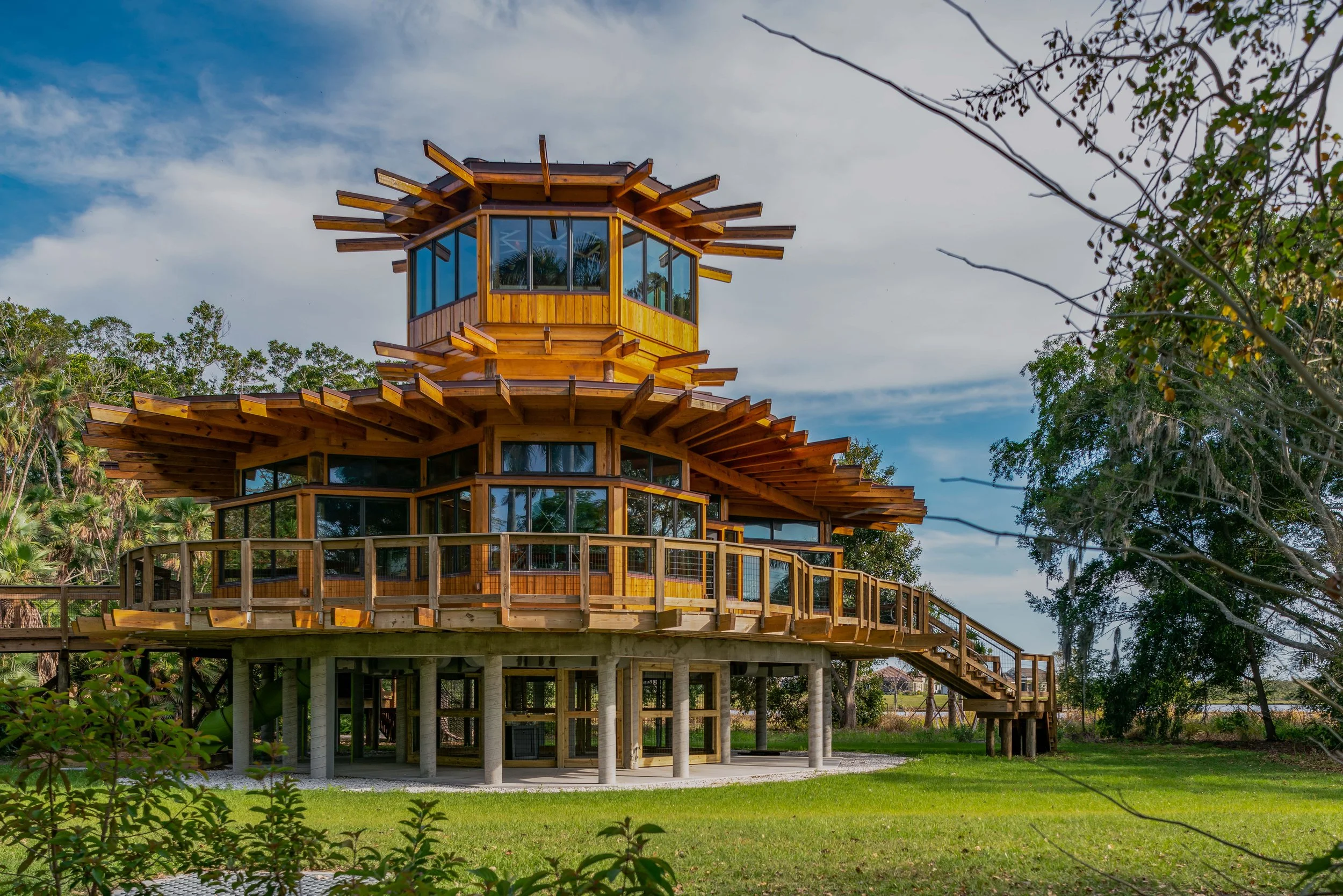
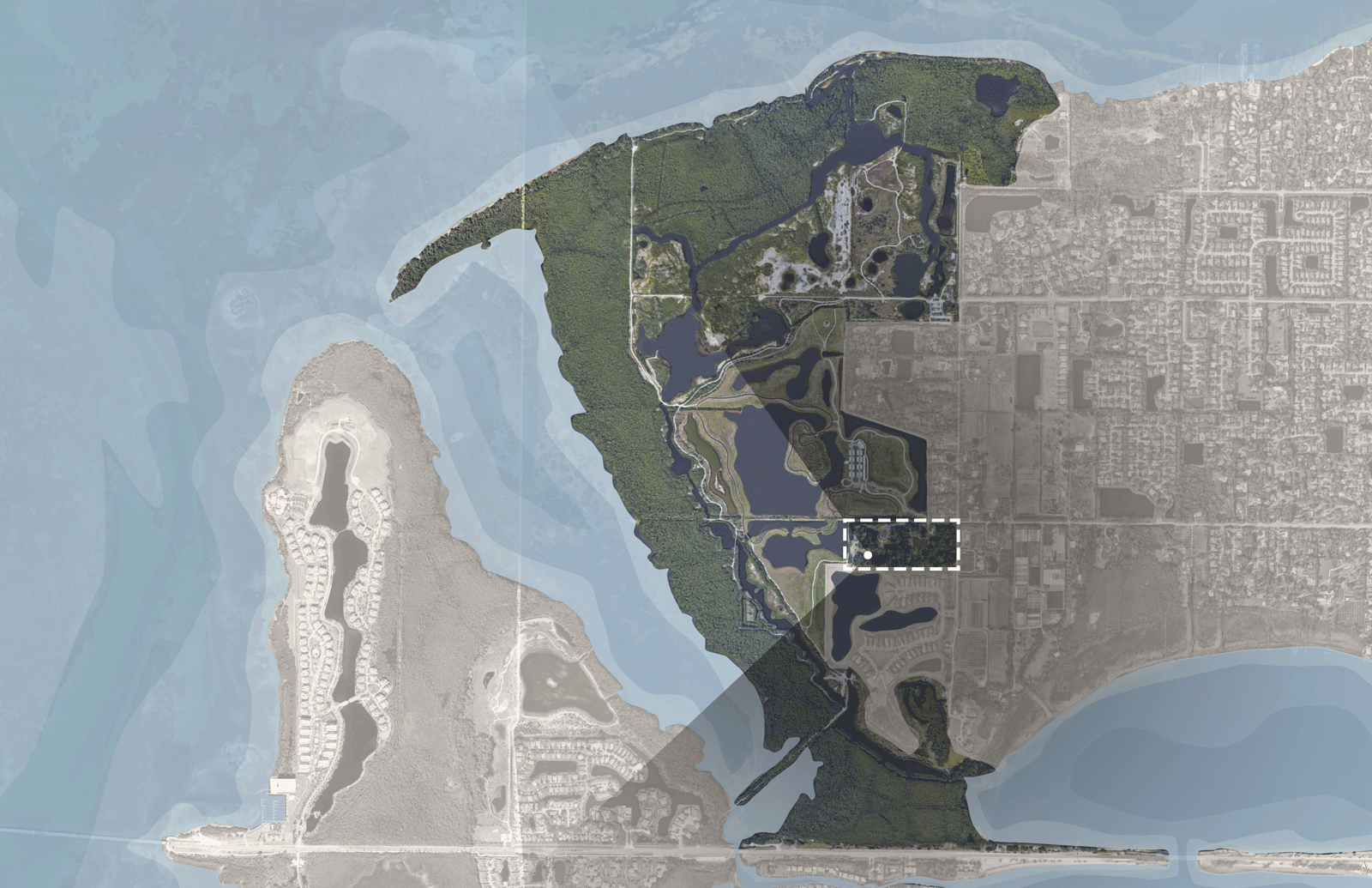
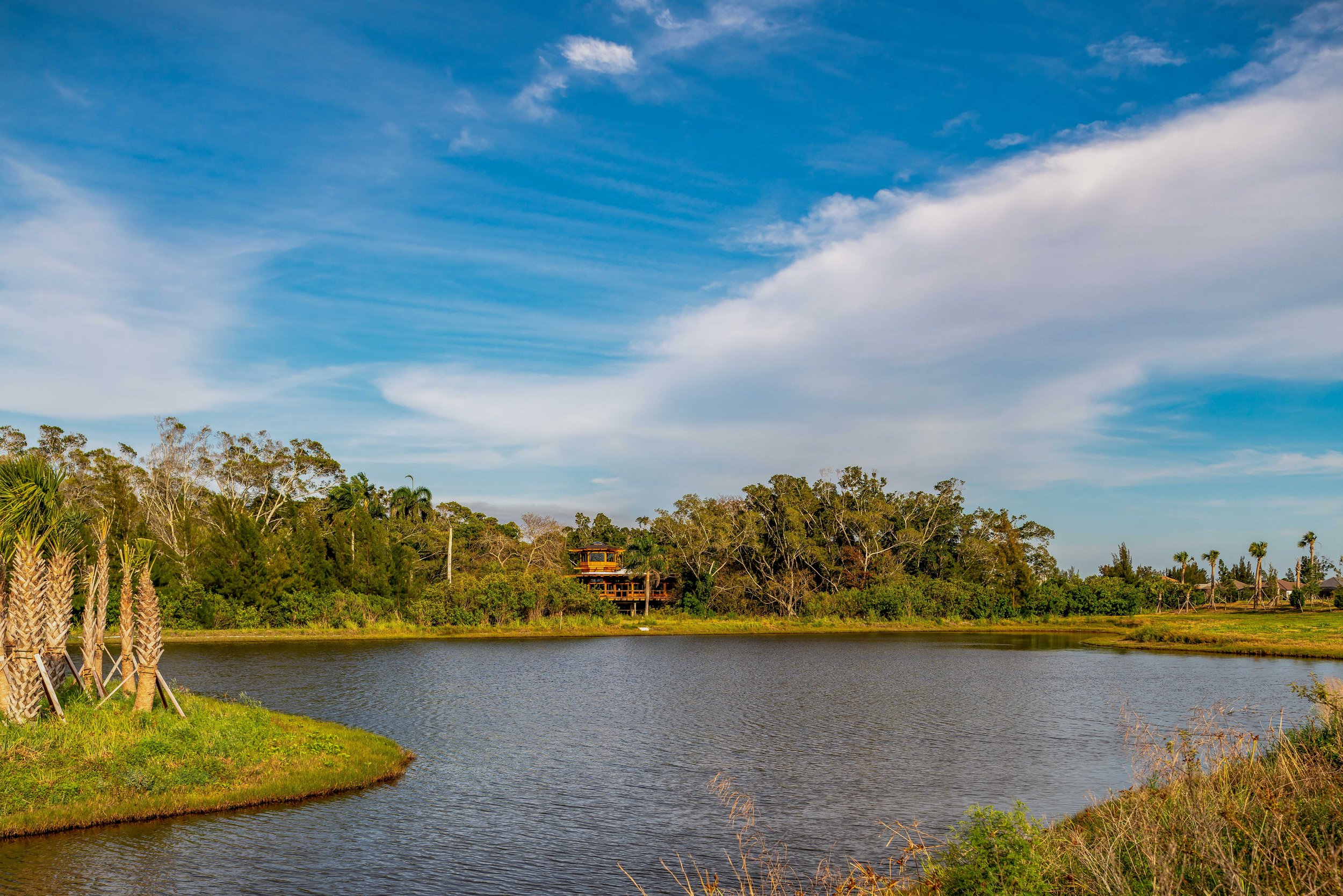
Nestled into what was the largest private plant nursery in Florida, the latest expansion of the 450 acre Robinson Nature Preserve in Bradenton, FL, is located on a 20 acre breeding ground for exotic tree species.
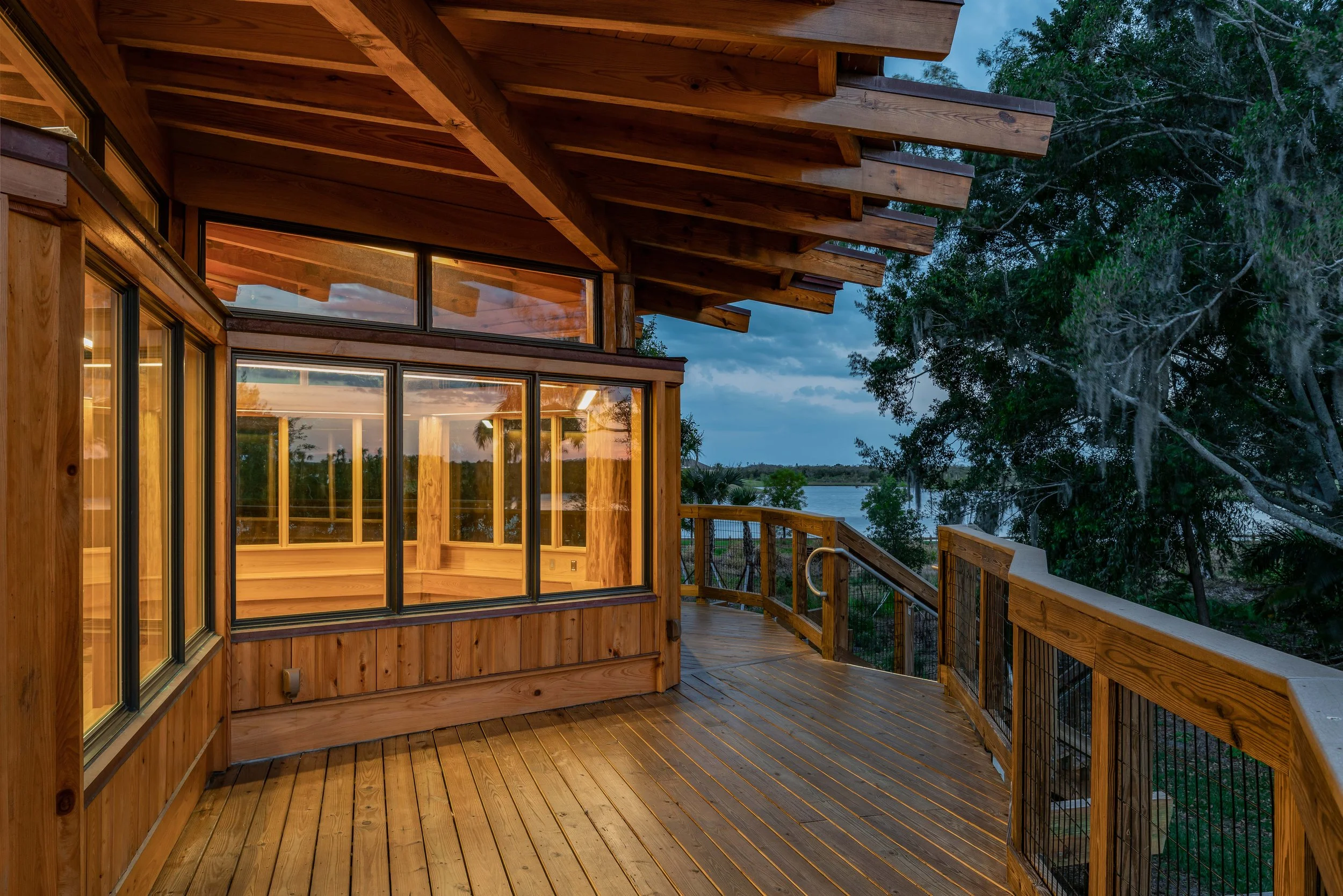
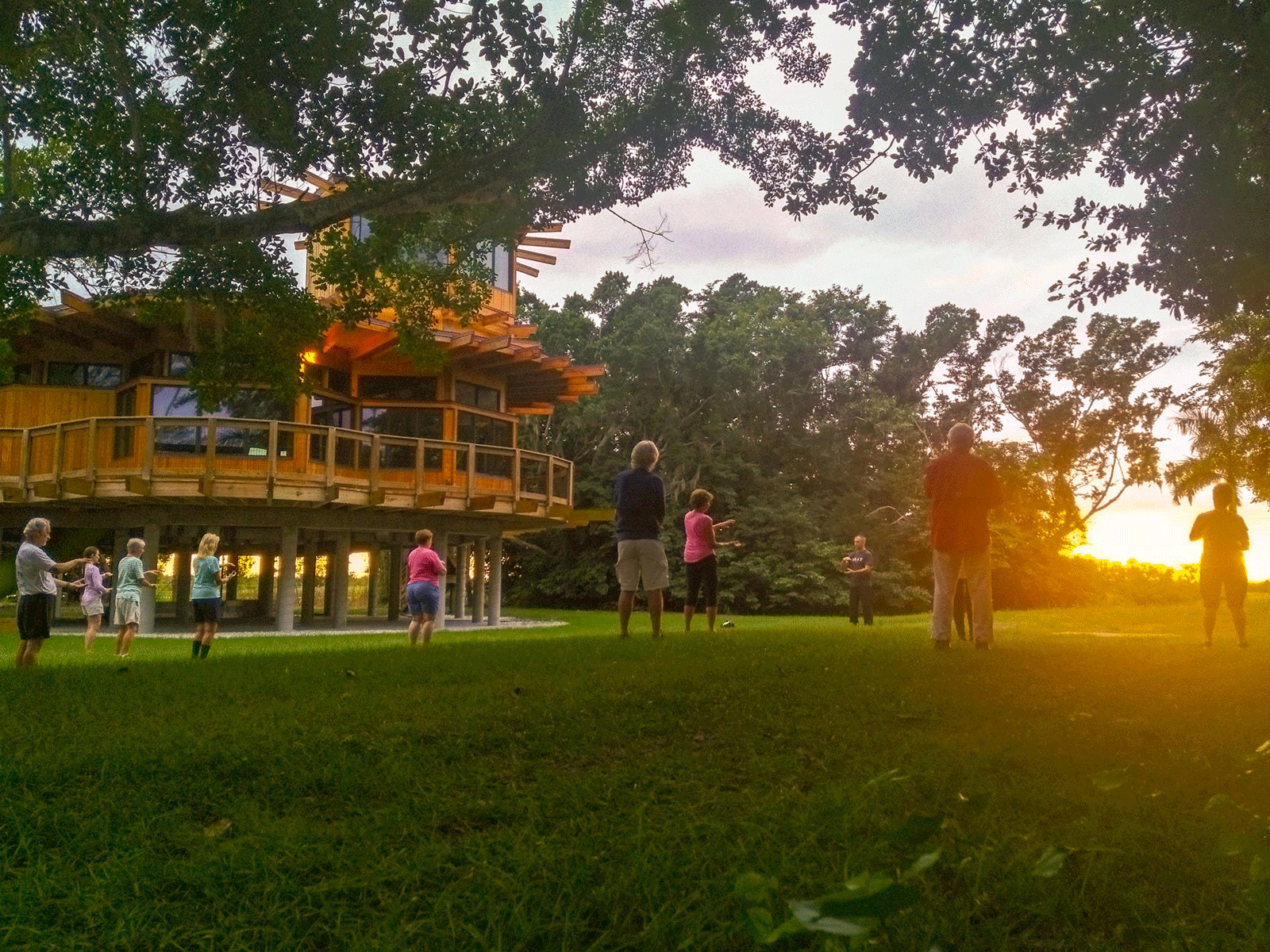
Manatee County desired to build an environmental education center that would connect visitors to the Preserve’s unique ecology, as well as host school groups, retreats, and other functions. Our design for the 2,250 SF structure creates a modern-day treehouse, connected to an accessible canopy walk and nearby walking and riding trails.
Located 1,000 yards from the Gulf of Mexico, the structure has proven its ecological resilience by weathering two major hurricanes since completion.
Client
Manatee County, Florida
Location
Bradenton, Florida
Status
Completed
Size
12,250 SF
Project Team
Gregory Walker, Amy Leathers, Chuck Aligbe
Collaborators
ATP Engineers, Stantec
Stirling + Wilbur Engineering Group
Tags
Cultural, Library
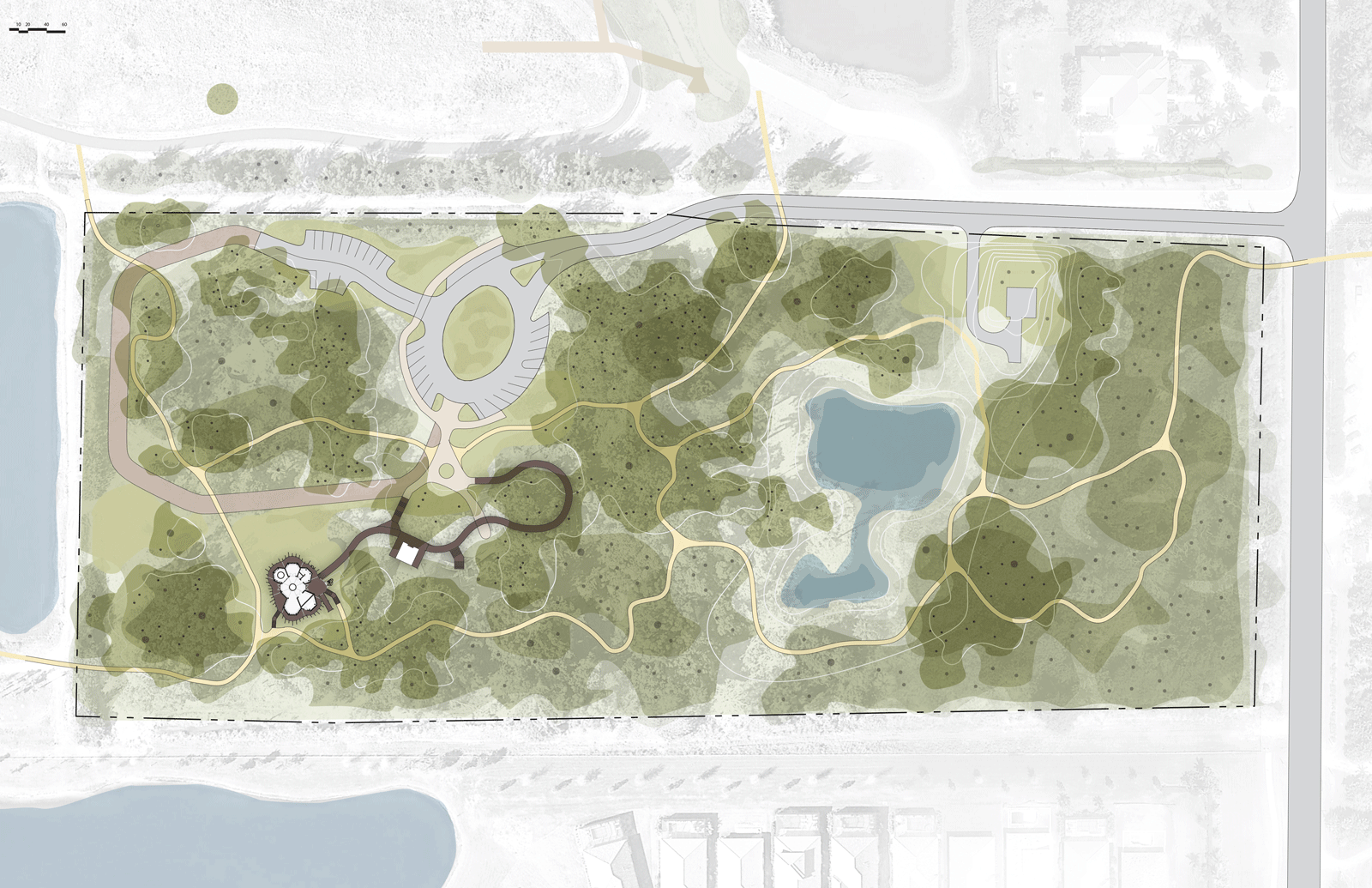
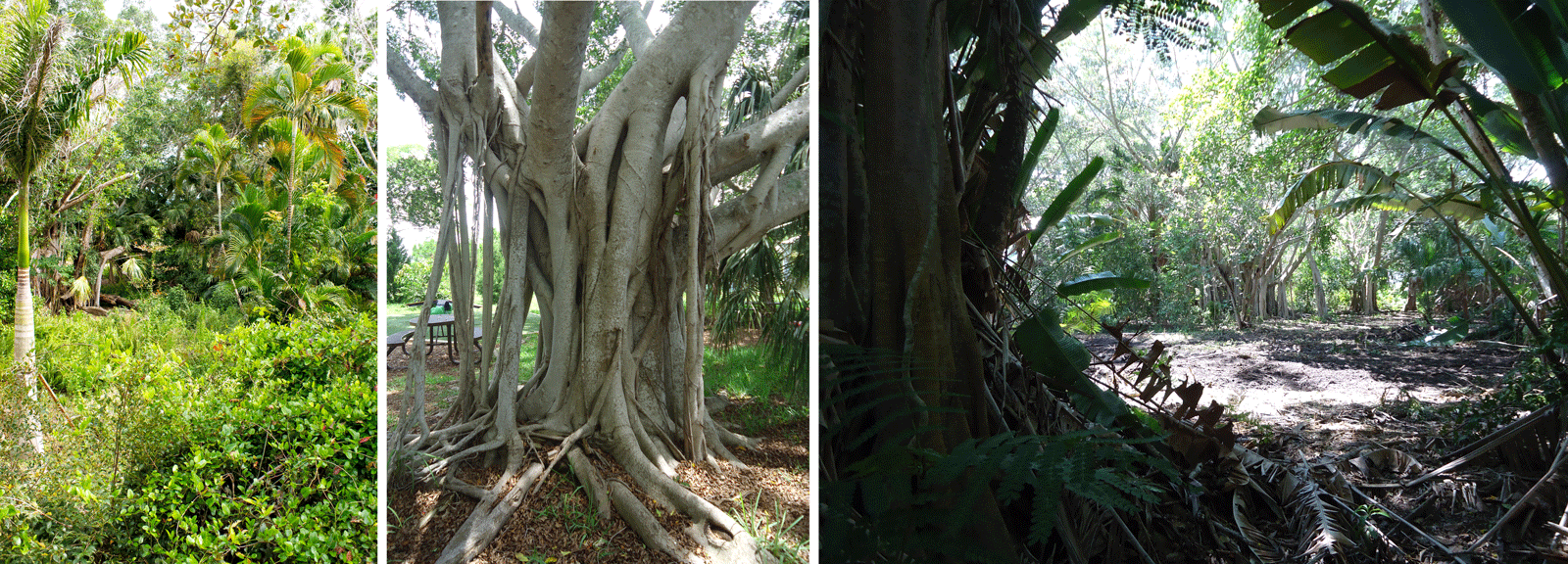
Site constraints included meeting a recently established FEMA flood plain elevation of +11’ from the building grade (a height challenged and met during Hurricane Irma, which directly struck the site in 2019), determining prevailing wind patterns, and identifying and accounting for subsurface anomalies – typical of the Preserve, there are a number of underground caverns, cavities, and sinkholes.
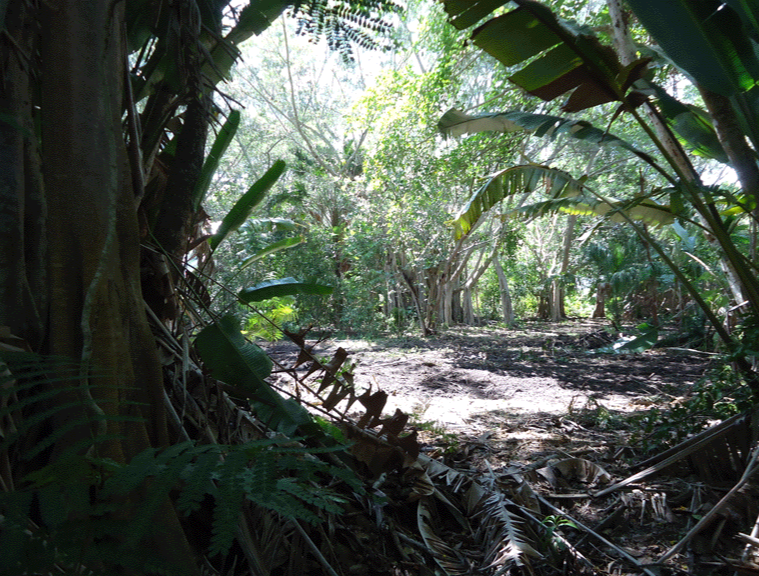
Our design approach began by clarifying the existing 20 acre landscape and determining which native and invasive species would remain. Large, mature banyan trees were kept; Austrian pines that had multiplied out of control were removed. This process revealed two small areas within the dense canopy which seemed appropriate to build on.
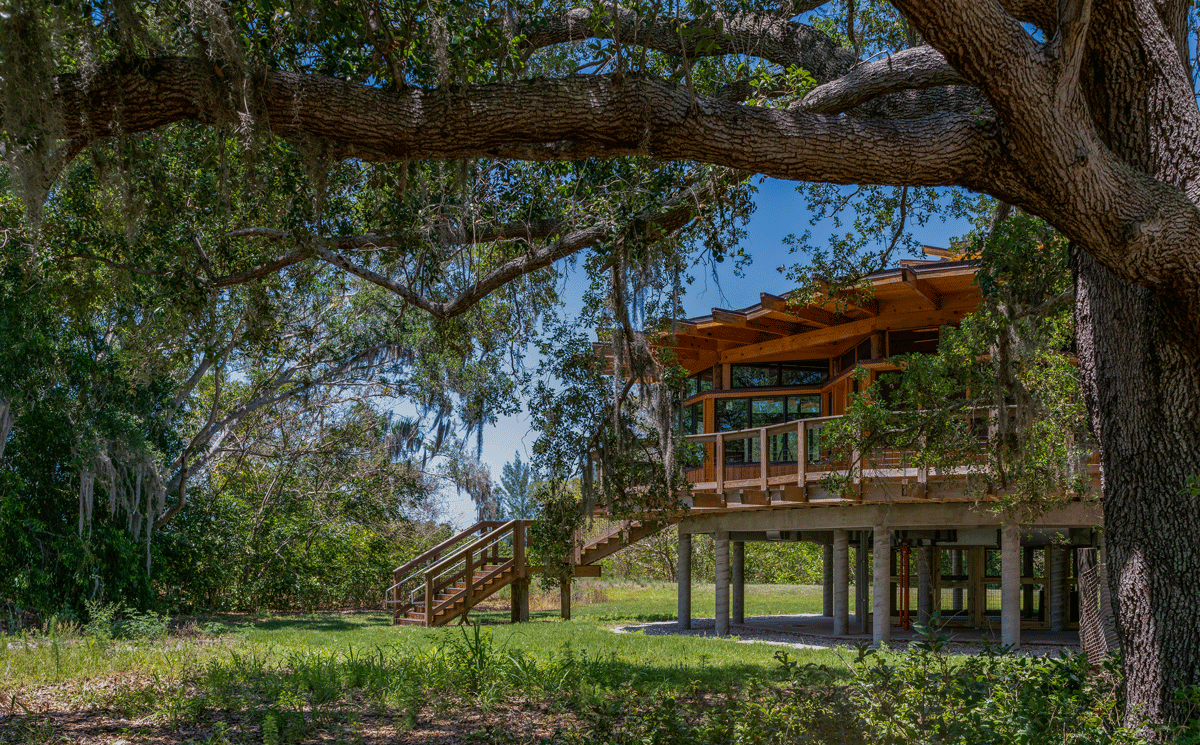
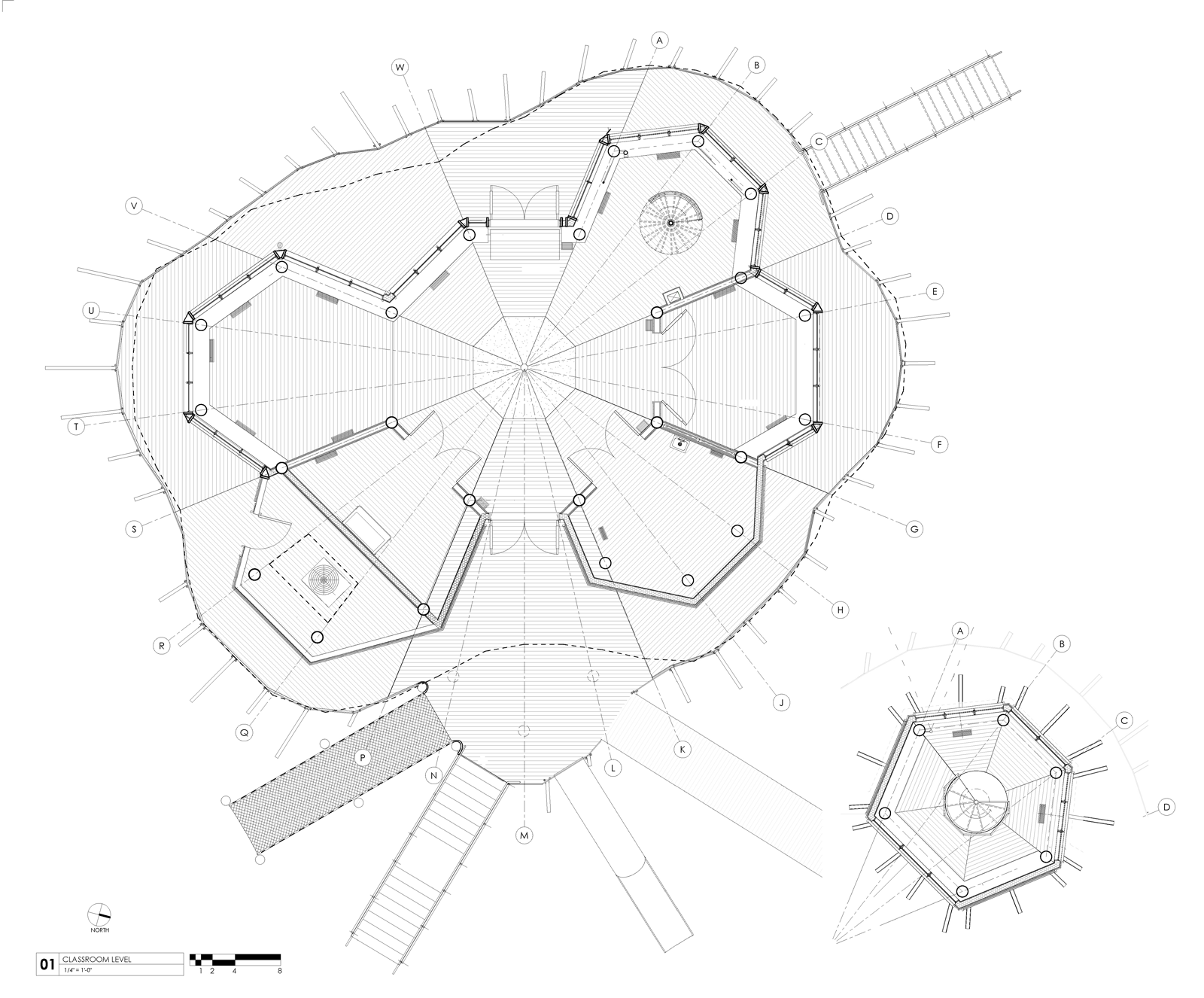
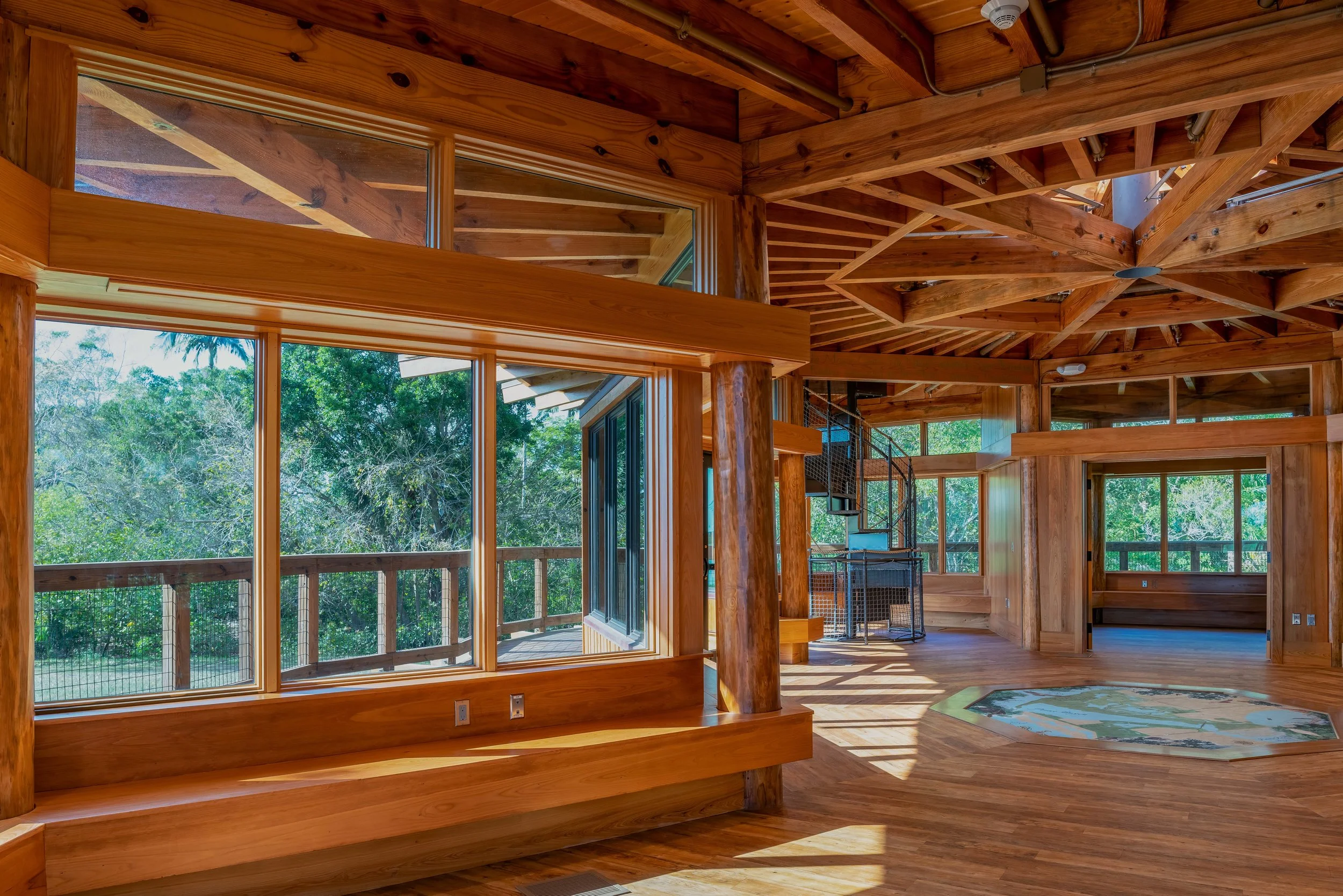
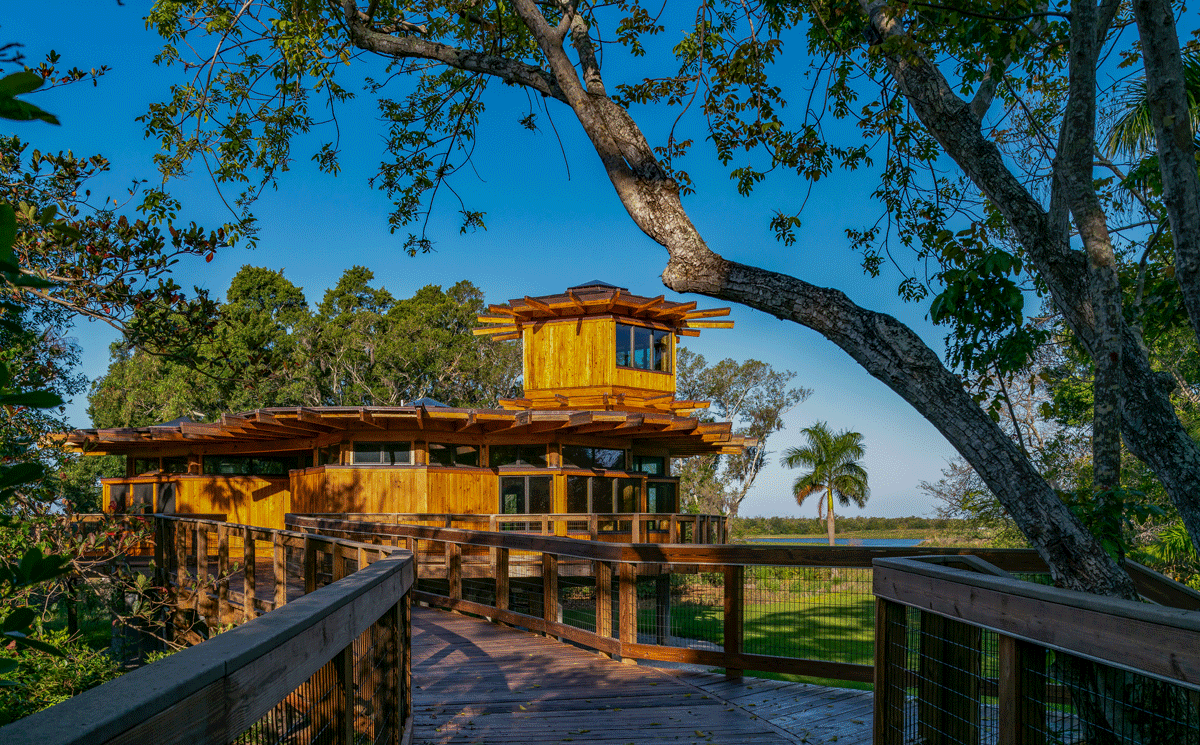
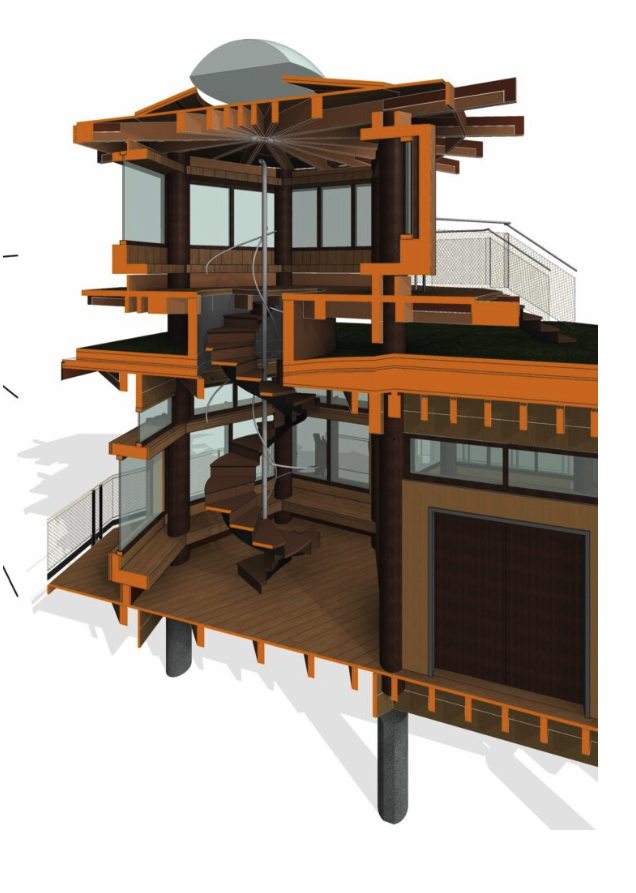
Geometrically, the building combines individual rooms with Euclidean geometries that create an apparently amorphous shape. A central and centering octagon is complemented by pinwheeling pentagons that build off edge dimensions.
Geometrically, the building combines individual rooms with Euclidean geometries that create an apparently amorphous shape.
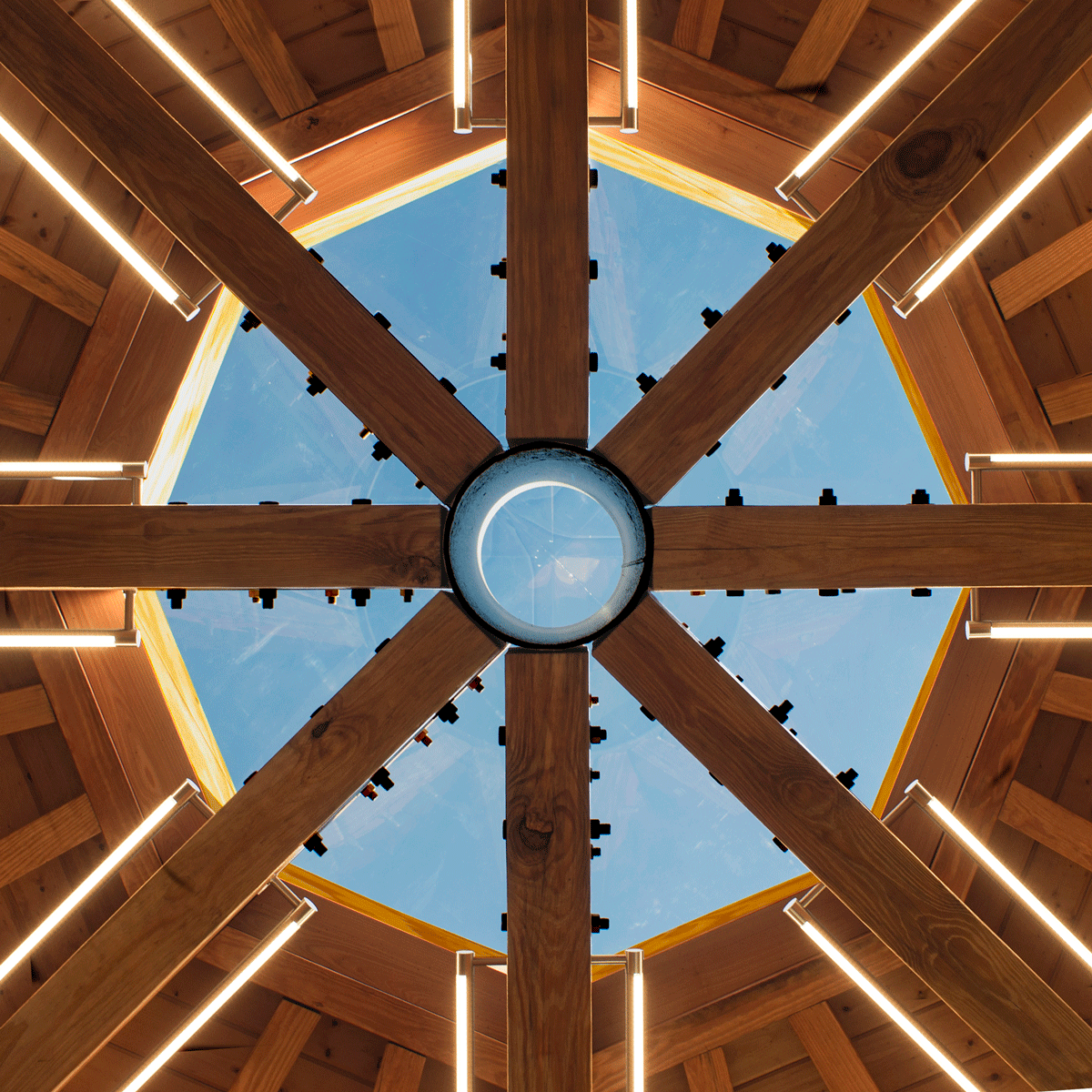
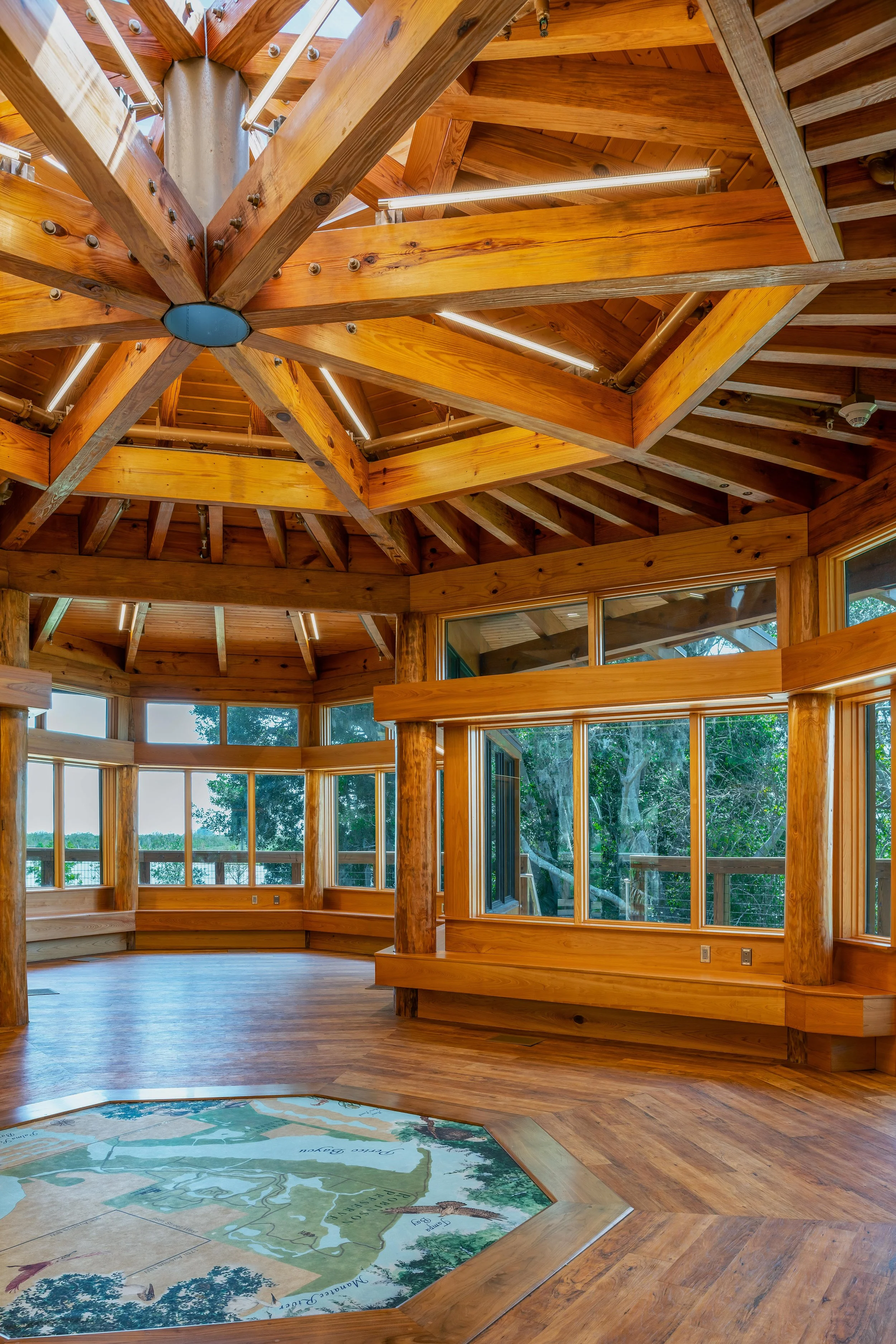
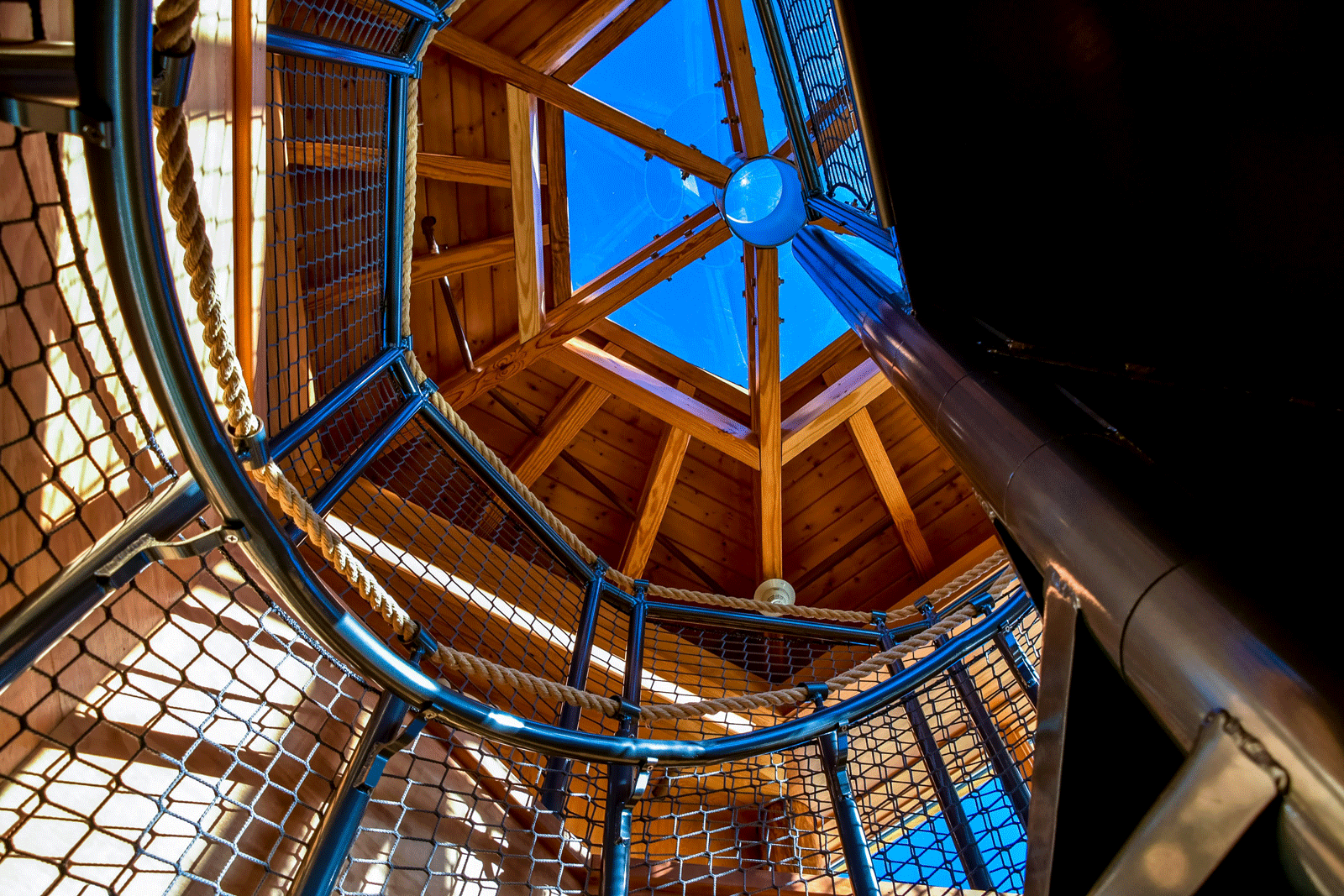
Two central skylights — at the center of the main interior space and stair tower — help bring controlled daylight throughout.
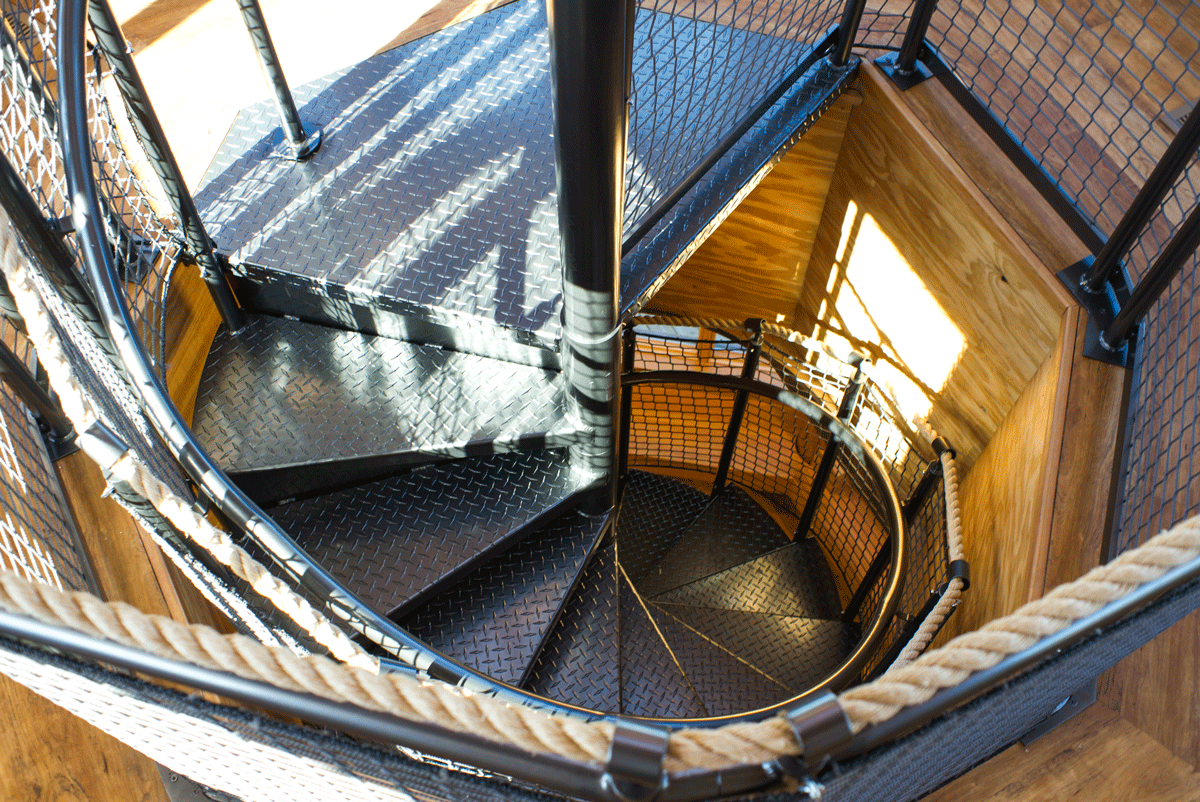
An observation tower also acts as a solar ‘chimney’ to channel hot air within the structure.
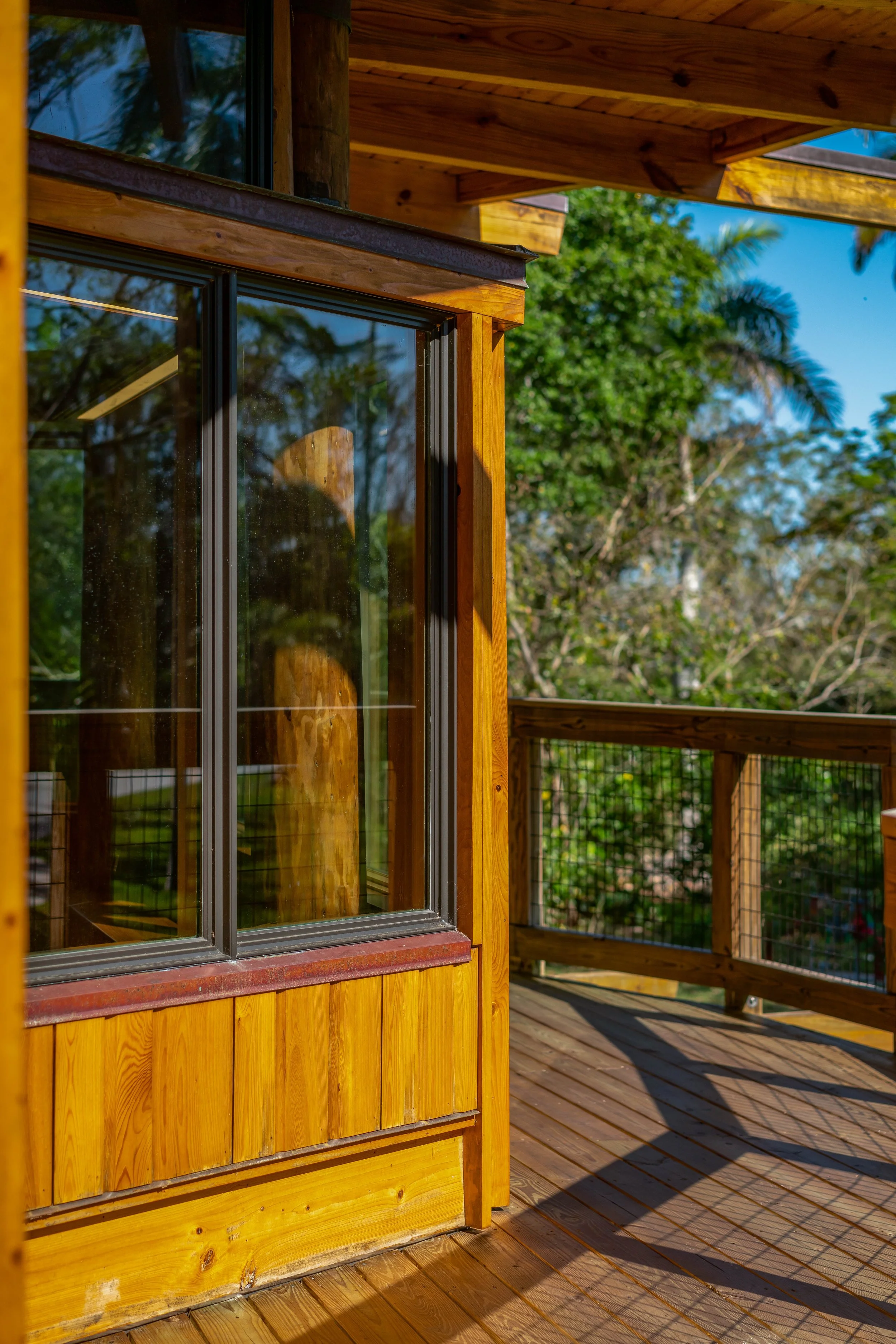
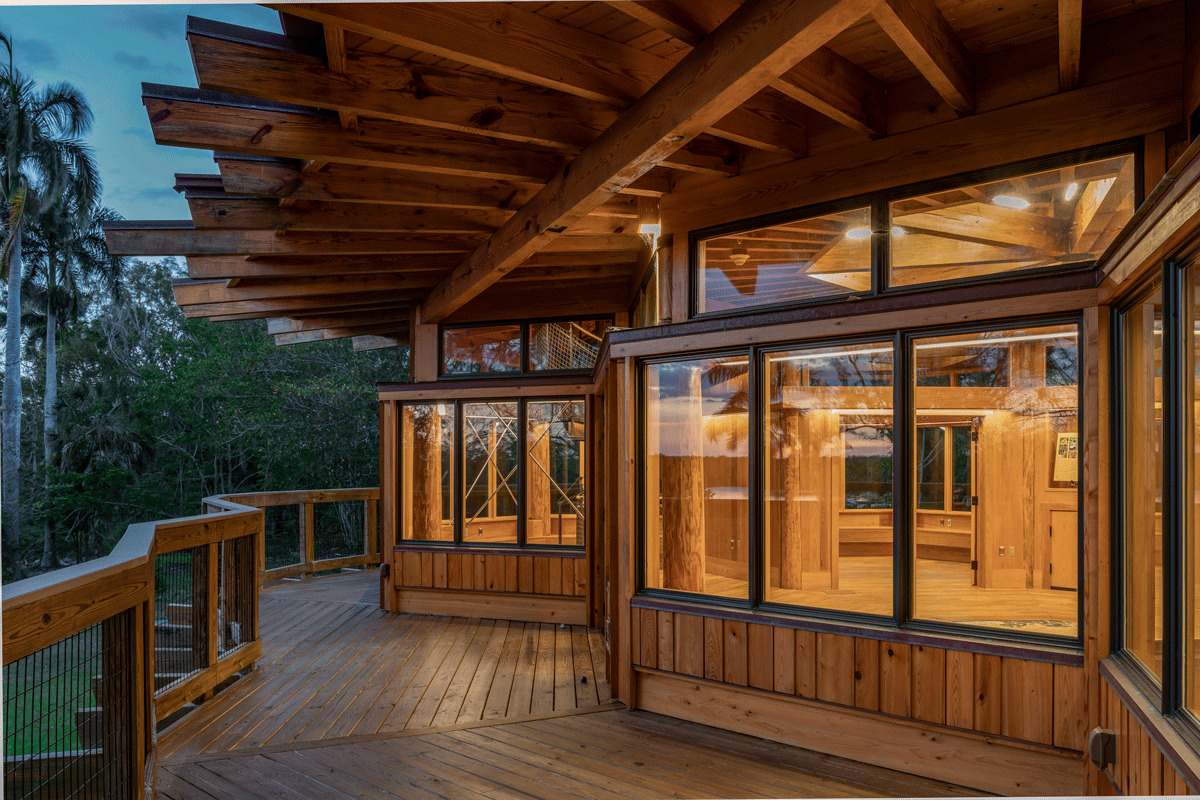
Reclaimed wood recovered from regional rivers and lakes, elemental materials like copper that will age well in the salt air environment.